Water Filtration Basics: A Quick Guide
Water filtration basics are all about removing unwanted stuff from your drinking water. It’s a process that uses special materials to trap impurities. This leaves you with cleaner, safer water that tastes and smells better. You can filter out things like sediment, chlorine, and even some microscopic particles.
Understanding water filtration helps you make informed choices about your water source. Many homes use filters to improve their tap water quality. Some systems are quite simple, while others are more advanced. We found that the right filter depends on what you need to remove and your budget.
- Filtration removes impurities for better tasting and safer water.
- Commonly filtered out: sediment, chlorine, and small particles.
- Different filters handle different types of contaminants.
- Choosing the right filter depends on your needs.
Ready to learn more about keeping your water pure? Let’s dive into the different types of water filters and how they work to give you peace of mind.
Understanding the Basics of Water Filtration
Water filtration is all about making your tap water better. It removes things you don’t want. This can include bad tastes, odors, and even harmful contaminants. We’ve found that knowing these basics helps you pick the right system for your home. It’s a simple way to improve your daily drinking water.
Why Filter Your Water?
Your tap water might look clear, but it can contain hidden impurities. These can come from old pipes, treatment processes, or natural sources. Filtering removes things like chlorine, which gives water a chemical taste. It can also get rid of sediment, rust, and even lead. Many health organizations suggest filtering as a good way to get cleaner water. For instance, the Environmental Protection Agency (EPA) notes that point-of-use filters can reduce contaminants (EPA).
Taste and Odor Improvement
Have you ever noticed a funny smell or taste in your tap water? Often, this is due to chlorine used in the water treatment process. Filters work wonders on these. They absorb chlorine and other volatile organic compounds. This leaves you with water that tastes fresh and clean, like it came straight from a mountain spring (or at least, better than before!).
Health and Safety Concerns
Beyond taste, there are health reasons to filter. Some water sources may contain contaminants like lead, mercury, or certain bacteria. While municipal water treatment aims to make water safe, filters offer an extra layer of protection. Research has shown that certain filter types can effectively remove lead from drinking water, which is especially important in older homes with lead pipes (CDC).
How Do Water Filters Actually Work?
Think of a water filter like a sieve for tiny particles. Different filters use different methods. The most common approach involves a physical barrier. This barrier has pores smaller than the contaminants you want to remove. Water passes through, but the impurities get trapped.
Mechanical Filtration
This is the most basic type. It uses a material, often a mesh or a dense fiber, to physically block particles. Imagine a very fine strainer. Sediment filters are a great example. They catch rust, sand, and other larger debris. This protects your plumbing and other water appliances.
Activated Carbon Filtration
This is a super popular method. Activated carbon is charcoal that has been treated to be extremely porous. It has a huge surface area. This allows it to adsorb (that’s like a sponge soaking up) many common impurities. Chlorine, volatile organic compounds (VOCs), and bad tastes and odors are prime targets for activated carbon. We found that it’s incredibly effective for improving taste and smell.
Ion Exchange
This method targets dissolved minerals. It uses resin beads that swap one type of ion for another. For example, it can swap hard minerals like calcium and magnesium for sodium ions. This is how many water softeners work. It’s also used in some filters to reduce heavy metals like lead.
Reverse Osmosis (RO)
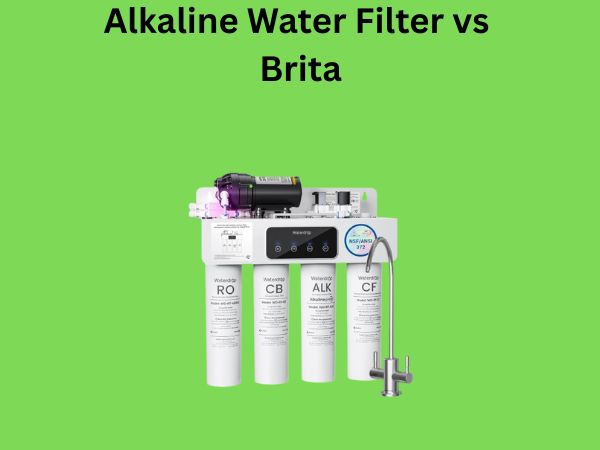
RO is a more advanced process. It uses high pressure to force water through a semi-permeable membrane. This membrane has extremely tiny pores. It can remove a very wide range of contaminants. This includes dissolved solids, salts, heavy metals, and even some microorganisms. RO systems often include multiple stages, including pre-filters and post-filters, for the best results.
Common Types of Water Filtration Systems
You’ll see a lot of different filter types on the market. They range from simple pitchers to whole-house systems. Knowing the basics helps you choose wisely.
Pitcher Filters
These are perhaps the easiest to use. You fill the pitcher with tap water, and it filters as it drips into the main reservoir. They are great for improving the taste of drinking water and removing chlorine. They are also very affordable and require no installation. We found that pitcher filters are a good starting point for many people.
Faucet Filters
These attach directly to your faucet. You can usually switch between filtered and unfiltered water. They offer a step up in convenience from pitchers. They filter water on demand for drinking and cooking. Installation is usually straightforward. They can effectively reduce chlorine and sediment.
Under-Sink Filters
These systems are installed under your kitchen sink. They connect to your cold water line. You get filtered water from a separate faucet. They often use multi-stage filtration, combining methods like carbon and sediment filters. This provides a higher level of purification than pitchers or faucet filters. They are a popular choice for improved drinking and cooking water.
Whole-House Filters
As the name suggests, these filter all the water entering your home. They are installed where the main water line enters your house. This means every faucet, shower, and appliance gets filtered water. They are ideal for homes with specific water quality issues or for those who want filtered water everywhere. These systems often focus on sediment and chlorine removal first.
Choosing the Right Filter for Your Needs
Selecting a filter isn’t a one-size-fits-all decision. It really depends on what you want to achieve. Here’s a quick checklist to help you think it through:
- What do you want to remove? (Taste, odor, specific contaminants?)
- How much water do you need filtered? (Just drinking water or the whole house?)
- What’s your budget for purchase and maintenance?
- How easy does it need to be to install and use?
- Are there any specific health concerns in your water supply?
Many experts recommend looking for filters certified by NSF International. These certifications mean the filter has been tested and verified to perform as advertised (NSF International).
| Filter Type | Pros | Cons | Best For |
|---|---|---|---|
| Pitcher Filters | Affordable, Portable, Easy to Use | Slow filtration, Small capacity, Frequent pitcher cleaning | Improving taste/odor of drinking water for 1-2 people |
| Faucet Filters | Convenient, On-demand, Easy installation | May not fit all faucets, Can reduce water flow | Quick filtered water for drinking and cooking |
| Under-Sink Filters | High-quality filtration, Out of sight, Dedicated faucet | Requires installation, Takes up cabinet space, More expensive | Improving drinking and cooking water quality significantly |
| Whole-House Filters | Filters all water, Protects appliances, Convenient for all uses | Most expensive, Professional installation may be needed, Larger filter replacement costs | Addressing widespread water quality issues throughout the home |
Conclusion
You’ve learned the basics of water filtration and why it’s a smart choice for your home. We’ve seen how filters remove impurities, improve taste and odor, and offer health benefits. Understanding mechanical, carbon, ion exchange, and RO filtration helps you choose the right system. From simple pitchers to whole-house units, there’s a filter for every need and budget. Your next step is to assess your water quality and decide which filter best meets your goals for cleaner, better-tasting water.
Frequently Asked Questions
Do I really need a water filter if my tap water looks clean?
Yes, you might still benefit from a filter. Even clear tap water can contain dissolved minerals, chlorine, or trace contaminants from pipes. Filters help remove these for improved taste and an extra layer of safety for your drinking water.
How often should I replace my water filter cartridge?
Replacement frequency varies by filter type and usage. Most manufacturers recommend replacing cartridges every 2 to 6 months. Always check your filter’s manual for specific guidelines to ensure optimal performance.
Will a water filter remove beneficial minerals like calcium?
Some filters, like reverse osmosis systems, can remove beneficial minerals along with contaminants. Other types, such as activated carbon filters, primarily target taste and odor issues without significantly depleting minerals.
Are whole-house filters worth the investment?
Whole-house filters provide filtered water for all your taps, showers, and appliances. If you have widespread water quality concerns or want the convenience of filtered water everywhere, they can be a very worthwhile investment for your entire home.
What does an NSF certification mean for a water filter?
An NSF certification means a water filter has been independently tested and verified to meet strict standards for safety and performance. It assures you that the filter effectively removes the specific contaminants it claims to reduce.