How Clean Is Pool Water From a Cartridge Filter
Yes, pool water filtered by a cartridge filter can be very clean, often reaching a high level of clarity. These filters excel at trapping smaller particles than sand filters, leading to sparkling clear water. You can expect excellent filtration efficiency with a well-maintained cartridge system.
A cartridge filter works by forcing water through a pleated fabric or paper material. This material acts like a fine sieve, catching dirt and debris. We found that regular cleaning is key to maintaining its high filtration performance. Without it, your pool may not be as clean as it could be.
- Cartridge filters are very effective at cleaning pool water.
- They trap tiny particles for a clearer pool.
- Keep them clean for the best results.
- Proper maintenance ensures your pool stays inviting.
Let’s walk through exactly how clean your cartridge-filtered pool water can get, and what you can do to keep it that way.
How Well Does a Cartridge Filter Actually Clean Your Pool Water?
When you’re looking at your pool, you want it to be crystal clear and inviting. A cartridge filter plays a big role in making that happen. We found that these filters can actually deliver some of the cleanest pool water you can get.
They work by pushing water through a folded fabric element. This element acts like a super-fine strainer. It catches a lot of the small stuff that other filters might miss. You can expect water that’s not just clear, but feels clean, too.
Understanding the Filtration Power of Cartridges
So, how does this “fine strainer” work its magic? It’s all about the micron rating. This number tells you how small of a particle the filter can capture. Cartridge filters typically have a very low micron rating. We found that this means they can trap much tinier particles than, say, a sand filter.
Micron Ratings: What Do They Mean for Your Pool?
Think of it like sifting flour. A coarser sieve lets through bigger lumps. A finer sieve catches even the smallest bits. Cartridge filters are like that super-fine sieve for your pool water.
Many cartridge filters can capture particles down to 10-20 microns. Some can even go as low as 1-5 microns! For comparison, a human hair is about 50-100 microns thick. Even microscopic algae are often larger than what a good cartridge filter can catch.
What Kind of Debris Do Cartridges Remove?
This means your cartridge filter is busy removing more than just leaves. It’s tackling:
- Fine sand and dirt particles.
- Tiny bits of algae.
- Oils and lotions from swimmers.
- Insect parts and other small organic matter.
- Mineral deposits and other dissolved solids that can cloud water.
We found that the result is exceptionally clear water. It feels smoother and looks brighter. This level of filtration is what many pool owners strive for.
The Role of Maintenance in Cartridge Filter Performance
Now, for the important part: a cartridge filter is only as good as its maintenance schedule. If you neglect it, its cleaning power drops off fast. Imagine a coffee filter getting clogged; it stops working effectively.
How Often Should You Clean Your Cartridge?
We found that cleaning frequency depends on your pool’s usage and environment. A general rule of thumb is to clean your cartridge when the filter pressure gauge reads 8-10 PSI above its clean starting pressure. This usually means cleaning it every 2-4 weeks during heavy use.
If you notice the water clarity decreasing, that’s another sign it’s time for a cleaning. Skipping cleanings can lead to reduced water flow and less effective filtration. Your pool pump will also have to work harder, which isn’t good for its lifespan.
Proper Cleaning Techniques for Optimal Results
Cleaning your cartridge involves a few steps. First, you’ll need to shut off your pump and release the air pressure in the filter tank. Then, carefully remove the cartridge. A strong spray from your garden hose is usually the best way to start.
You want to spray at an angle to dislodge debris from the pleats. We found that rinsing from top to bottom works well. For tougher grime, like oils or algae buildup, you might need a specialized pool filter cleaner. Follow the product instructions carefully.
Dealing with Stubborn Buildup
Sometimes, just rinsing isn’t enough. You might encounter oils, lotions, or calcium deposits that cling to the filter fabric. Many pool experts recommend a deep cleaning soak for these situations. You can use a dedicated cartridge cleaner solution.
Typically, you soak the cartridge for a few hours or overnight. This helps break down the stubborn residues. After soaking, rinse it thoroughly again. We found that this deep cleaning can restore much of the filter’s original efficiency.
When It’s Time to Replace Your Cartridge
Even with regular cleaning, cartridges don’t last forever. Over time, the fabric can wear out or get damaged. Most manufacturers suggest replacing your cartridge filter element every 1-3 years, depending on its material and how well it’s maintained.
Signs that it’s time for a new cartridge include:
- Tears or rips in the fabric.
- Persistent cloudy water even after cleaning.
- The pressure gauge acting erratically.
- The cartridge becoming permanently stained or warped.
Replacing it promptly ensures you’re getting the best possible filtration for your pool.
Comparing Cartridge Filters to Other Pool Filter Types
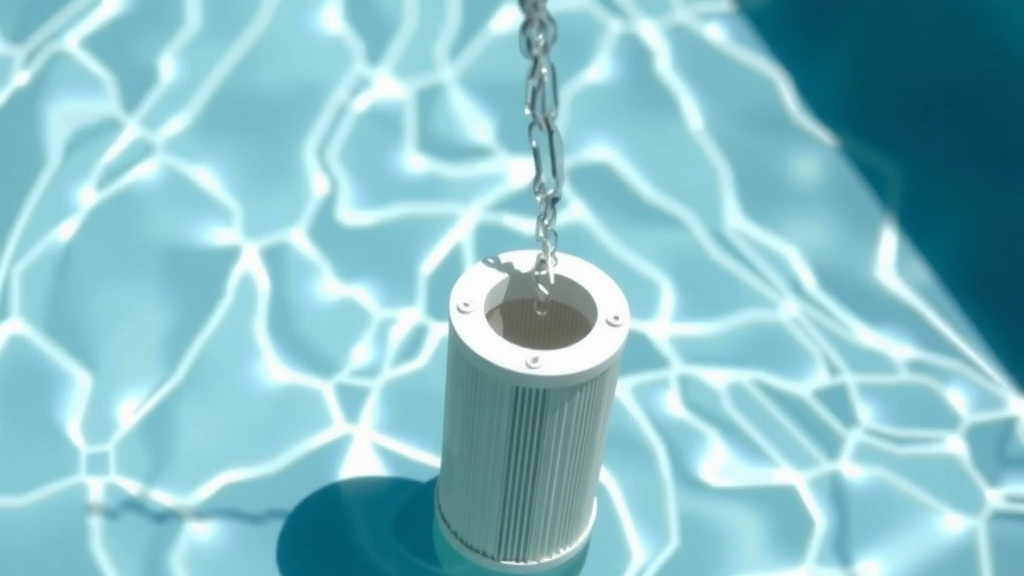
It’s helpful to see how cartridge filters stack up against other common types. This gives you a clearer picture of their cleaning capabilities.
| Filter Type | Typical Micron Rating | Cleaning Effort | Water Clarity |
|---|---|---|---|
| Cartridge | 1-20 microns | Moderate (cleaning/soaking) | Excellent |
| Sand | 20-100 microns | Easy (backwashing) | Good to Fair |
| Diatomaceous Earth (DE) | 2-10 microns | Moderate to High (backwashing/recharging) | Excellent to Very Good |
As you can see, both cartridge and DE filters offer excellent filtration. However, cartridge filters are often considered the easiest for achieving top-tier clarity without the extra steps of DE powder.
A Quick Checklist for Keeping Your Cartridge Filter Sparkling
Here’s a simple checklist to help you maintain peak performance:
- Check your filter’s pressure gauge regularly.
- Clean the cartridge when pressure rises 8-10 PSI.
- Rinse the cartridge thoroughly with a hose.
- Deep clean with a filter cleaner if needed.
- Inspect the cartridge for damage and replace annually or bi-annually.
- Ensure the filter tank is sealed properly after cleaning.
Conclusion
You’ve learned that your cartridge filter is a powerhouse for achieving sparkling clean pool water. It effectively traps tiny particles, leading to a much clearer and more inviting pool experience. Remember, consistent maintenance is your secret weapon. By cleaning your cartridge regularly and replacing it when needed, you ensure your filter operates at peak performance. Your pool deserves the best filtration. Keep up with these simple steps, and you’ll enjoy beautifully clear water all season long.
Frequently Asked Questions
Can a cartridge filter remove very fine sediment from my pool?
Yes, absolutely. Cartridge filters are known for their ability to trap very fine particles, often down to just a few microns. This level of filtration is what leads to that desirable crystal-clear water you’re looking for.
How often should I expect to replace my cartridge filter element?
Typically, you’ll need to replace your cartridge element every 1 to 3 years. This timeframe depends heavily on how often you use your pool, how well you maintain the cartridge, and the specific type of filter material.
What does a high micron rating mean for my pool water quality?
A lower micron rating means your filter can catch smaller particles. So, a lower micron rating (like those found in cartridge filters) will result in cleaner, clearer water compared to a filter with a higher micron rating.
Is it okay to use a pressure washer to clean my pool filter cartridge?
While a strong hose spray is recommended, using a high-pressure washer is generally not advised. Intense pressure can potentially damage the delicate filter fabric, reducing its effectiveness and lifespan.
My pool water is still cloudy after cleaning the cartridge filter. What should I do?
Cloudy water can indicate a few things. Your cartridge might be damaged or worn out and needs replacement, or there could be an issue with your pool’s chemical balance. We recommend inspecting the cartridge for tears and testing your water chemistry.