
Gravity vs Pump Water Filter: Differences
Choosing between a gravity water filter and a pump water filter depends on your needs. Gravity filters are generally simpler and require no manual pumping, relying only on the force of gravity to move water through the filter. Pump filters, on the other hand, use mechanical action to force water through, often resulting in faster filtration rates.
Both filter types aim to remove contaminants and improve water taste. However, their filtration speed and the effort required can differ. Understanding these distinctions helps you pick the best system for your home or emergency preparedness kit. We found that the best choice often comes down to how quickly you need water and how much work you’re willing to do.
- Gravity filters: Simple, no pumping needed, slower flow.
- Pump filters: Faster, require manual pumping, more mechanical parts.
- Consider your water needs and effort tolerance.
- Both improve water quality and taste.
Let’s break down the key differences between gravity and pump water filters so you can make the right choice for your situation.
Gravity vs. Pump Water Filters: What’s the Real Difference?
When you need cleaner water, both gravity and pump filters can help. They work differently to get the job done. Understanding these differences will guide you to the right choice for your needs.
How Gravity Filters Work: Simple and Reliable
Gravity filters are all about letting nature do the work. They rely on the simple force of gravity to move water. This makes them quite straightforward.
The Setup: Easy as Pie
Setting up a gravity filter is usually very easy. You typically have two chambers. The top chamber holds the untreated water. You pour your water in here.
The water then slowly drips through a filter element. This element catches the impurities. Finally, the clean water collects in the lower chamber. It’s a passive process. No need for batteries or electricity.
Filtration Speed: Patience is a Virtue
The main trade-off with gravity filters is speed. Because gravity is doing the pushing, it’s not very fast. You have to wait for the water to filter through. Think of it like waiting for a slow drip.
For a single person or a small group, this might be fine. But if you need a lot of water quickly, it can be a bottleneck. Many experts suggest this type of filter is best when you have time to plan ahead (CDC).
Maintenance: Less Fuss, More Flow
Maintenance is generally minimal. You’ll need to clean the chambers occasionally. The filter element itself will need replacement after a certain amount of use. This is usually clearly stated by the manufacturer.
How Pump Filters Work: Faster, More Forceful
Pump filters use a different approach. They employ mechanical action to force water through the filter. This means you have to do a bit more work, but you get faster results.
The Mechanics: Getting Your Hands Dirty (Literally!)
With a pump filter, you’ll find a handle or a pumping mechanism. You immerse the intake hose into your water source. Then, you pump the handle.
This pumping action creates pressure. The pressure pushes the water through the filter element and into your clean water container. It’s an active process. You are directly involved in moving the water.
Filtration Speed: Quick and Efficient
The big advantage of pump filters is their speed. Pumping forces water through much faster than gravity alone. You can often filter a liter of water in under a minute. This is a huge benefit in situations where you need water fast.
We found that for emergency kits or camping trips, this speed can be a lifesaver. It means less waiting and more time for other tasks. Many reviews highlight this as a key selling point.
Maintenance: A Little More Involved
Pump filters have more moving parts than gravity filters. This means they might require a bit more attention. You’ll need to clean the filter housing. Flushing the filter after use is often recommended.
Like gravity filters, the pump element will eventually need replacement. Keeping it clean helps extend its life. Some models might require occasional lubrication of the pump mechanism.
Key Differences at a Glance
Let’s break down the main distinctions in a simple table. This should help you see the differences side-by-side.
| Feature | Gravity Filter | Pump Filter |
|---|---|---|
| Power Source | Gravity (natural force) | Manual Pumping (your effort) |
| Filtration Speed | Slower | Faster |
| Effort Required | Minimal (pour water) | Moderate (pumping action) |
| Complexity | Simple design, fewer parts | More mechanical parts |
| Portability | Can be bulky, but often stable | Generally compact and portable |
| Best For | Long-term camping, home use, emergencies with ample time | Backpacking, fast water needs, emergencies with limited time |
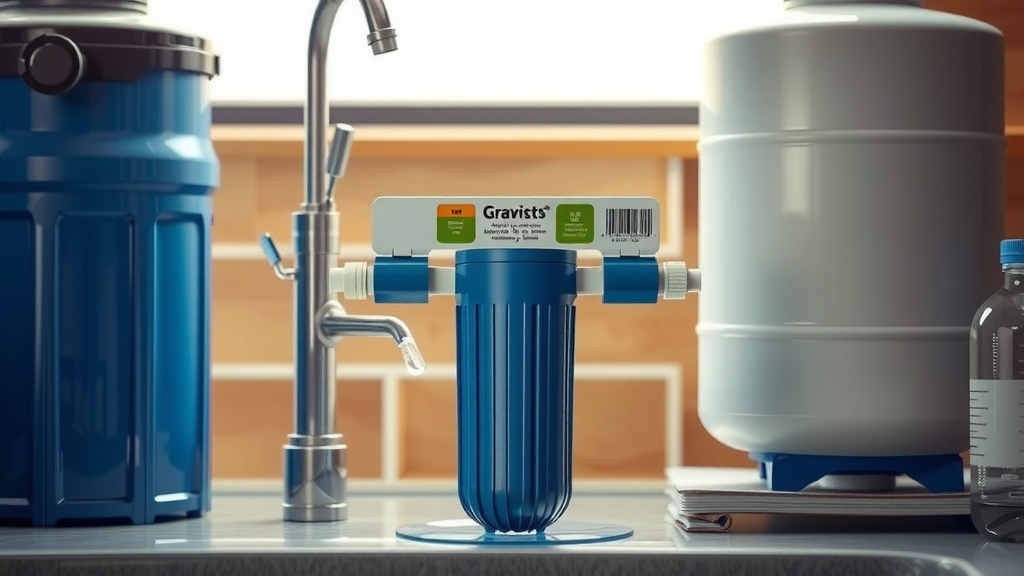
When to Choose Which: Making Your Decision
So, which type is right for you? It really comes down to your priorities. Do you need water quickly, or do you prefer a more hands-off approach?
Consider Your Scenario
If you’re preparing an emergency kit for your home, a gravity filter might be a good fit. You can set it up and let it work. It’s there when you need it. It doesn’t require much active participation during an outage.
On the other hand, if you’re an avid hiker or backpacker, a pump filter is likely a better choice. You’ll be out in the wilderness, often needing water on the go. The speed and portability of a pump filter are hard to beat in these situations. Many outdoor enthusiasts prefer them for this reason.
Think About Your Effort Tolerance
How much physical effort are you willing to put in? Pumping water can be tiring, especially if you need a large amount. While it’s not strenuous, it does require consistent action.
Gravity filters require almost no effort beyond pouring. This can be a big advantage if you have physical limitations or if you just prefer to conserve your energy. Many people find the simplicity appealing.
What About Water Quality?
Both gravity and pump filters can produce clean, safe drinking water. The effectiveness depends on the specific filter element used. Some filters can remove bacteria, protozoa, and even viruses. Others might focus more on improving taste and odor by removing sediment and chlorine.
Always check the specifications of the filter you are considering. Look for certifications from organizations like NSF International if possible. These certifications ensure the filter meets certain standards for water purification (NSF).
Quick Checklist for Your Choice
To help you make up your mind, here’s a quick list to consider:
- How much water do you need at once?
- How quickly do you need the filtered water?
- Will you be using it in a stationary location or on the move?
- How much physical effort are you comfortable with?
- What kind of contaminants are you most concerned about?
- What is your budget for the initial purchase and filter replacements?
By answering these questions, you’ll have a clearer picture of whether a gravity or pump filter aligns best with your lifestyle and needs.
Conclusion
Choosing between a gravity and a pump water filter boils down to your specific needs and how you plan to use it. Gravity filters offer simplicity and minimal effort, ideal for situations where time isn’t critical. Pump filters, while requiring more work, provide faster access to clean water, making them perfect for on-the-go adventures or urgent needs. We found that understanding your scenario – whether it’s home preparedness or wilderness survival – and your own energy levels will guide you to the right choice. Now, take a moment to consider those questions we listed and confidently select the filter that will best serve you.
Frequently Asked Questions
Can I use a gravity filter for daily drinking water at home?
Yes, a gravity filter can be an excellent choice for daily drinking water at home. They require no electricity and are very simple to operate. You just need to remember to refill the top chamber when it’s getting low.
How often do I need to replace the filter element in either type of system?
Filter replacement depends on the specific model and how much water you filter. Always check the manufacturer’s guidelines. Generally, gravity filters might last longer for home use, while pump filters used frequently on trails may need earlier replacement.
Are pump filters difficult to clean after use?
Pump filters usually require a bit more attention to cleaning than gravity filters. It’s often recommended to backflush them with clean water after each use to prevent clogging. This helps maintain their performance and lifespan.
Do gravity filters take up a lot of space?
Gravity filters can vary in size, but many are designed for stability rather than extreme portability. Some larger home units might be a bit bulky, but they often hold a good amount of water. Smaller camping versions are more compact.
Can either filter remove viruses, or just bacteria?
The ability to remove viruses depends entirely on the specific filter element’s pore size and technology. While many filters remove bacteria and protozoa, virus removal is less common in basic filters and usually requires specialized filters or purification methods like chemical treatment or UV light.



![10 Best Whole Home Water Filter [2026]](https://waterans.com/wp-content/uploads/2026/07/10-best-whole-home-water-filter-2026-featured-768x432.jpg)