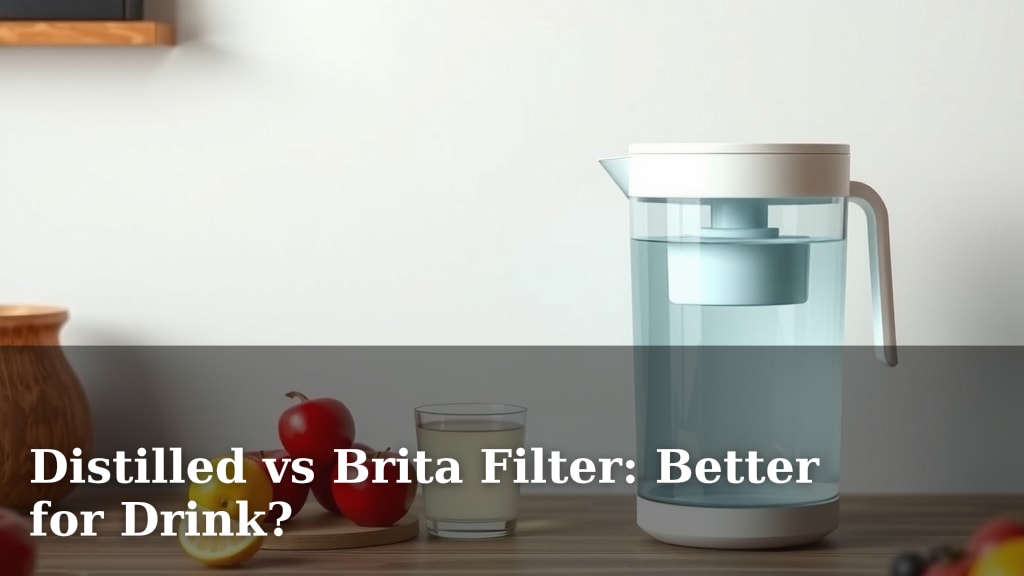
Distilled vs Brita Filter: Better for Drink?
When deciding between distilled water and water filtered by a Brita pitcher for your daily hydration, Brita filtered water is generally the better choice for drinking. While distilled water is essentially pure H2O, it lacks essential minerals that contribute to taste and potentially health. Brita filters, on the other hand, remove impurities like chlorine and sediment while retaining beneficial minerals, offering a cleaner and more palatable drinking experience.
The core difference lies in what each process removes and retains. Distillation involves boiling water and collecting the steam, leaving behind minerals and contaminants. A Brita filter uses activated carbon and ion-exchange resin to reduce chlorine taste and odor, along with other substances like mercury and copper. This means your tap water becomes fresher tasting with a Brita, without stripping it completely bare.
- Brita filtered water is generally better for drinking.
- Distilled water lacks minerals and can taste flat.
- Brita filters remove impurities but keep beneficial minerals.
- Brita improves taste by reducing chlorine.
Let’s dive into the specifics of each and help you decide which is best for your needs!
Distilled Water vs. Brita Filtered Water: Which is Best for You?
Choosing the right water for your daily sips is more important than you might think. We all want to stay hydrated, but what’s actually in our water matters. You’re probably wondering if that fancy distilled water is really better than the water from your trusty Brita pitcher. Let’s break it down so you can make the best choice for your health and your taste buds.
In short, for everyday drinking, a Brita filtered water is generally the winner. It makes tap water taste better and removes common impurities. Distilled water is pure, yes, but it’s like drinking plain air – it’s missing some things that make water enjoyable and potentially beneficial.
Understanding Distilled Water: The Purest Form
Distilled water is essentially pure H2O. To make it, water is boiled, and the steam is collected and condensed back into liquid. This process is very effective at removing almost everything – minerals, salts, and contaminants. Think of it like a spa day for water, where all the impurities get left behind in the “bath.”
What Exactly Does Distillation Remove?
Distillation gets rid of a lot. It takes out minerals like calcium and magnesium, which are naturally found in tap water. It also removes chemicals like chlorine and fluoride. Even heavy metals such as lead and arsenic are removed. This leaves you with incredibly clean water. But what’s removed is also what contributes to the taste of regular water.
Is Distilled Water Good for Drinking?
While safe to drink, distilled water can taste a bit flat or bland. This is because those minerals we mentioned are not just for show; they contribute to the taste profile of water. Without them, it can be an acquired taste. Some research suggests that prolonged consumption of distilled water might not be ideal, as it could potentially leach minerals from your body (National Academies of Sciences, Engineering, and Medicine). However, this is a debated topic among health professionals.
How a Brita Filter Works Its Magic
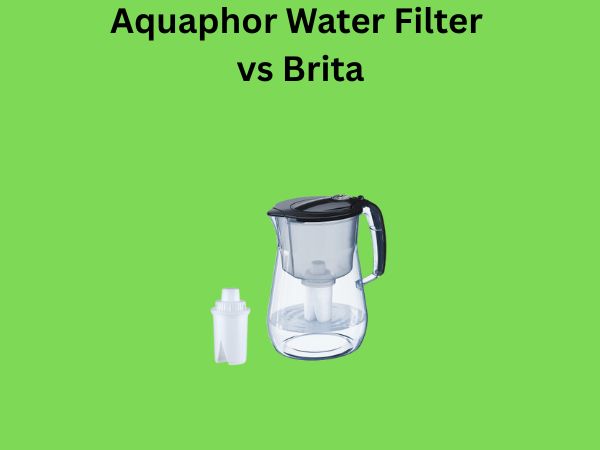
Your Brita pitcher is designed to make your tap water taste and look better. It doesn’t aim for pure H2O. Instead, it uses a combination of filtering materials to target specific things you’d rather not drink.
The Filtering Process Explained
Brita filters typically contain activated carbon and an ion-exchange resin. The activated carbon acts like a sponge, absorbing impurities like chlorine. Chlorine is often added to tap water for disinfection, but it can give water an unpleasant taste and smell. The ion-exchange resin helps reduce certain contaminants like copper, mercury, and cadmium.
What a Brita Filter Removes (and Keeps)
A Brita filter is great at reducing chlorine taste and odor, making your water much more pleasant to drink. It also targets other common impurities like sediment and zinc. Importantly, it generally leaves in the beneficial minerals like calcium and magnesium. This is a key difference from distilled water. You get cleaner water without stripping it completely bare.
Taste and Quality Improvements
The main benefit of using a Brita is the improved taste. When chlorine is reduced, your water tastes fresher and cleaner. Many people find this makes them want to drink more water throughout the day. It’s a simple way to upgrade your daily hydration. Brita filters are certified to reduce specific contaminants, offering peace of mind for your drinking water.
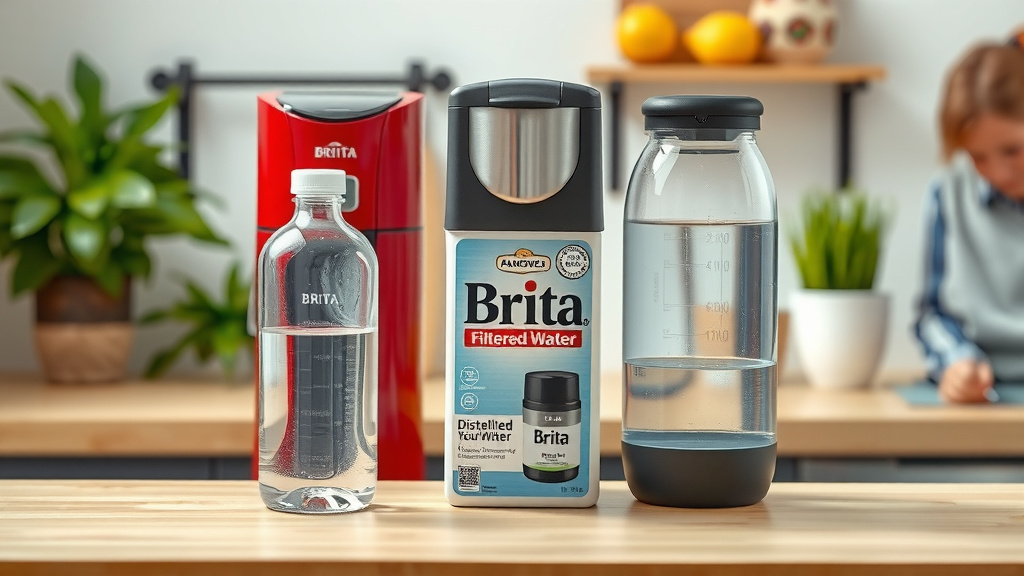
Comparing the Two: A Quick Look
Let’s put them side-by-side to see the main differences clearly. It’s not about one being “bad” and the other “good,” but about what each offers for your specific needs.
| Feature | Distilled Water | Brita Filtered Water |
|---|---|---|
| Purity Level | Extremely High (almost pure H2O) | Reduced impurities, retains minerals |
| Mineral Content | Virtually none | Retains beneficial minerals (e.g., calcium, magnesium) |
| Taste | Flat, bland, metallic | Fresher, cleaner, improved from tap |
| What it removes | Minerals, salts, contaminants, microorganisms | Chlorine, sediment, mercury, copper, zinc |
| Best For | Specific appliances (e.g., irons, CPAP machines), lab use | Everyday drinking, improved taste and odor |
When to Choose Distilled Water
While not ideal for daily drinking, distilled water has its uses. It’s often recommended for household appliances like steam irons, humidifiers, and CPAP machines. This is because the lack of minerals prevents scale buildup, which can damage these devices over time. It’s also used in laboratories and for some medical applications where purity is essential.
Why Brita is Often Preferred for Drinking
For your daily hydration goals, Brita filtered water is usually the way to go. You get a noticeable improvement in taste by reducing chlorine. Plus, you keep the minerals that contribute to water’s natural flavor and are beneficial for your health. It’s an easy, accessible way to improve the quality of your tap water for drinking and cooking.
Making Your Final Choice for Hydration
Think about what you want from your drinking water. Do you want the absolute purest form, or do you want water that tastes great and still has some natural goodness? For most people, the answer leans towards improved taste and retaining minerals.
A Brita pitcher offers a practical solution for everyday hydration. It tackles common tap water complaints without going overboard. Distilled water serves a purpose, but it’s generally not the best pick for your water bottle or glass.
Here’s a quick checklist to help you decide:
- Do you want better-tasting tap water?
- Are you looking to reduce chlorine odor and taste?
- Do you want to retain beneficial minerals in your water?
- Are you seeking an easy, everyday hydration upgrade?
- Do you need ultra-pure water for appliances or labs?
If you nodded yes to the first four, a Brita filter is likely your best bet for drinking water. If the last one is your main concern, then distilled water has its place.
Conclusion
When you’re choosing water for your daily sips, Brita filtered water generally comes out on top for drinking. It effectively removes unpleasant chlorine and other common impurities, leading to a much better taste and smell. While distilled water offers extreme purity, it strips away beneficial minerals that contribute to water’s natural flavor and may be important for your health. For everyday hydration and a refreshingly clean taste, your Brita pitcher is likely the best choice. Consider your priorities: for appliances, distilled wins; for your body and taste buds, Brita is usually the smarter pick.
Frequently Asked Questions
Can I drink distilled water every day?
While technically safe, drinking only distilled water daily is generally not recommended by many health experts. It lacks essential minerals found in tap water, which contribute to taste and may play a role in bodily functions. Some research suggests it could potentially leach minerals from your body over time, though this is a debated topic.
Does Brita filter remove all contaminants?
No, a Brita filter does not remove all contaminants. Its primary function is to reduce chlorine taste and odor, as well as common impurities like mercury and copper. It is not designed to remove all minerals, bacteria, viruses, or dissolved solids, so it’s not a substitute for truly purified water in all situations.
Is distilled water bad for my coffee maker?
Actually, distilled water is often recommended for coffee makers and other small appliances like steam irons. The lack of minerals in distilled water prevents the buildup of scale and mineral deposits. This can help your appliances run more efficiently and last longer by avoiding clogs and damage over time.
Does Brita remove fluoride from water?
Brita filters are not specifically designed to remove fluoride. While some minor reduction may occur due to the activated carbon, you should not rely on a standard Brita pitcher to significantly lower fluoride levels in your drinking water.
What does “flat taste” mean for distilled water?
The “flat taste” of distilled water refers to its lack of flavor compared to regular tap or mineral water. This is because the distillation process removes all the dissolved minerals, such as calcium and magnesium, which naturally give water its characteristic taste and mouthfeel. Without these minerals, the water can taste bland or even slightly metallic to some people.
![10 Best Shower Water Filter [2026]](https://waterans.com/wp-content/uploads/2026/07/10-best-shower-water-filter-2026-featured-768x432.jpg)
![10 Best At Home Water Filter [2026]](https://waterans.com/wp-content/uploads/2026/06/10-best-at-home-water-filter-2026-featured-768x432.jpg)