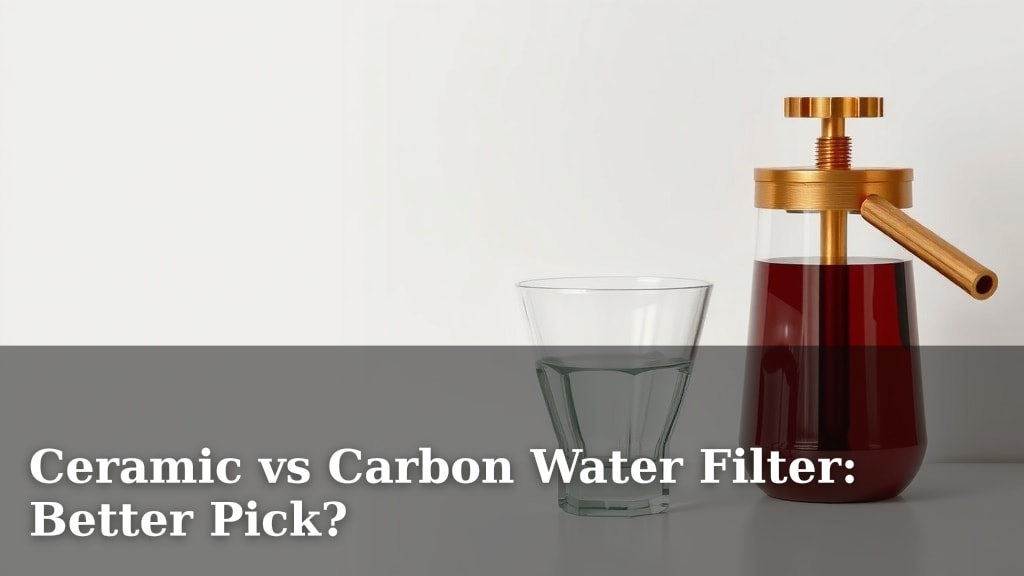
Ceramic vs Carbon Water Filter: Better Pick?
When choosing between a ceramic vs carbon water filter, the better pick often depends on your primary water concern. For removing sediment and bacteria, ceramic filters are excellent. If your main goal is improving taste and removing chlorine and chemicals, carbon filters are typically preferred.
Both filter types are popular choices for home water purification. They tackle different contaminants effectively. Understanding their unique strengths helps you make the right choice for your family’s drinking water needs.
TL;DR:
- Ceramic filters excel at removing physical particles like sediment and bacteria.
- Carbon filters are best for improving water taste and odor, removing chlorine.
- Your choice depends on what you want to filter out of your water.
- Both are effective, but for different reasons.
Let’s dive in and see which filter best suits your home’s water.
You’re probably wondering about the ceramic vs carbon water filter debate. It’s a common question when you want cleaner, better-tasting water at home. Both do a great job, but they tackle different water impurities. We’ll help you figure out which one is the champ for your specific needs.
Ceramic vs. Carbon Filters: What’s the Difference?
Think of them like different types of cleaning cloths. Ceramic filters are like a fine sieve. Carbon filters are more like a sponge that soaks up certain things. Understanding what each one targets is key. It helps you decide which filter will make your water the best it can be.
Ceramic Filters: The Sediment and Bacteria Busters
Ceramic filters are made from a porous ceramic material. This material has tiny holes, usually measured in microns. These holes are small enough to trap larger contaminants. We’re talking about things like rust, sand, and other sediment you can see. Many experts say they are excellent for pre-filtering water (CDC). This means they can clean up murky water before it goes through another filter.
How Ceramic Filters Work
Water flows through the ceramic element. The tiny pores act like a barrier. They physically block particles from passing through. Imagine water trying to go through a very fine screen. The screen catches anything bigger than its holes. This physical barrier is very effective against visible dirt and debris. Many ceramic filters are also treated with silver. This helps prevent bacteria from growing on the filter itself. This adds an extra layer of protection.
What Ceramic Filters Are Best For
These filters shine when your water has a lot of visible particles. Think about water from a well or older pipes. You might see cloudiness or bits floating around. Ceramic filters are also great for reducing the load on other filters. If you have a multi-stage system, a ceramic filter often comes first. It removes the big stuff so the later filters can focus on finer impurities.
Limitations of Ceramic Filters
While good at trapping particles, ceramic filters don’t do much for dissolved contaminants. Things like chlorine, lead, or pesticides will pass right through. They also don’t typically improve taste or odor. You might still have that “pool” smell or taste if your water has chlorine.
Carbon Filters: The Taste and Odor Improvement Masters
Carbon filters are incredibly popular, and for good reason. They use activated carbon, which is carbon that has been treated to be very porous. This creates a huge surface area. Think of it like a sponge with millions of tiny nooks and crannies. This is where the magic happens. Activated carbon is fantastic at adsorbing chemicals.
How Carbon Filters Work
The process here is called adsorption, not absorption. Adsorption means molecules stick to the surface of the carbon. The more porous the carbon, the more it can hold. Activated carbon is especially good at trapping chlorine. Chlorine is often added to municipal water for disinfection. It can leave an unpleasant taste and smell. Carbon filters also reduce many volatile organic compounds (VOCs). They can even help with lead and some pesticides (EPA). Many common household filters use this technology.
What Carbon Filters Are Best For
If your main goal is better-tasting and smelling water, a carbon filter is likely your best bet. They are excellent at removing the chlorine taste that many people dislike. They can make your tap water much more enjoyable to drink. They also help remove other dissolved chemicals that affect water quality. This includes things like certain herbicides and industrial solvents.
Limitations of Carbon Filters
Carbon filters are not as effective against physical sediment. Large particles can clog the filter quickly. They also don’t remove dissolved minerals like calcium or magnesium. So, they won’t soften your water. Furthermore, they are not generally designed to remove bacteria or viruses. Some specialized carbon filters can, but standard ones usually can’t. And remember, they have a finite capacity. Once the carbon is saturated, it stops working.
Comparing Ceramic and Carbon Filters Side-by-Side
Let’s make it easy to see the differences. This table highlights the main points for each filter type. It helps you quickly compare their strengths.
| Feature | Ceramic Filter | Carbon Filter |
|---|---|---|
| Primary Function | Removes sediment, rust, sand, bacteria | Removes chlorine, chemicals, improves taste/odor |
| Mechanism | Physical barrier (fine pores) | Adsorption (chemical attraction) |
| Effectiveness Against | Particulates, microorganisms | Chlorine, VOCs, some pesticides |
| Taste/Odor Improvement | Minimal | Significant |
| Filter Lifespan | Can be cleaned and reused | Needs regular replacement |
| Best For | Murky water, sediment issues, pre-filtration | Improving tap water taste, chlorine removal |
When to Choose Ceramic
You should lean towards a ceramic filter if your tap water looks cloudy. Is there visible grit or sand? Does your water come from a source that might have sediment, like a well? Do you need to remove bacteria before other filtration stages? If you answered yes to any of these, ceramic is a strong contender. They are often a great first line of defense. They protect your plumbing and other appliances too.
When to Choose Carbon
Opt for a carbon filter if your biggest concern is the taste and smell of your water. Do you hate the chlorine smell from your tap? Does your water taste “off” in some way? Carbon filters are your go-to for making tap water more palatable. They are widely used in pitcher filters and faucet filters for this reason. They also address chemical contaminants that can be a health concern over time (NIH). Many experts agree carbon is key for improving general water quality.
Can You Use Both?
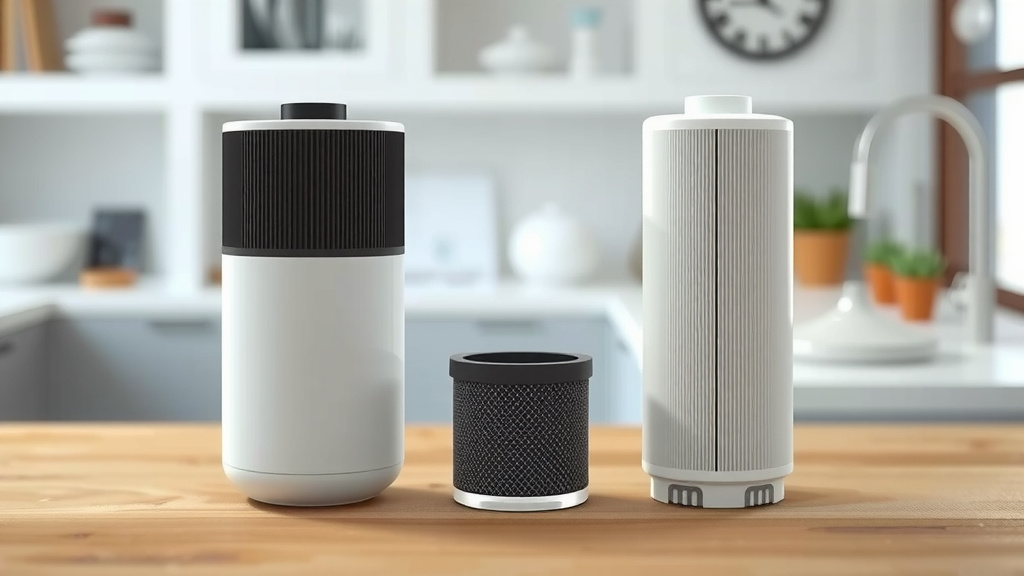
Absolutely! Many advanced home water filtration systems use both ceramic and carbon filters. This is often called a multi-stage filtration system. The ceramic filter comes first. It removes the larger sediment and particles. This prevents the carbon filter from clogging too quickly. Then, the water passes through the carbon filter. This removes chlorine and other chemicals. It improves taste and odor. This combined approach gives you the best of both worlds. You get both physical particle removal and chemical purification. It’s a win-win for cleaner, better-tasting water.
Making Your Final Decision: A Quick Checklist
To help you decide, ask yourself these quick questions:
- What is the main problem with my water?
- Does my water have visible sediment or cloudiness?
- Is the taste or smell of my water unpleasant?
- Am I concerned about bacteria in my water?
- Do I want to remove chlorine specifically?
- Am I looking for a filter that’s easy to maintain?
Conclusion
Deciding between a ceramic and carbon water filter comes down to what matters most for your water. Ceramic filters are your best bet for tackling visible sediment and bacteria. They act as a physical barrier, cleaning up murky water effectively. On the other hand, carbon filters excel at improving taste and odor by removing chlorine and other chemicals. They make your tap water more enjoyable to drink. For the ultimate purification, consider a multi-stage system combining both. This gives you the broadest protection. Your next step is to assess your water’s specific issues to make the perfect filter choice for your home.
Frequently Asked Questions
Can I clean a ceramic water filter?
Yes, ceramic filters are often designed to be cleaned. You can usually scrub the surface gently to remove accumulated sediment. This cleaning process can extend the filter’s lifespan. Always follow the manufacturer’s instructions for cleaning to avoid damage.
How often do I need to replace a carbon filter?
Carbon filters have a limited capacity and need regular replacement, typically every 2 to 6 months. The exact lifespan depends on the filter’s size and the quality of your water. Replacing them on schedule ensures they continue to effectively remove impurities.
Will a ceramic filter remove lead?
Standard ceramic filters are generally not effective at removing dissolved contaminants like lead. Their primary function is to block physical particles. If lead is a concern, you’ll need a filter specifically designed to target it, often involving activated carbon or other specialized media.
Do carbon filters remove beneficial minerals from water?
Most standard activated carbon filters do not remove beneficial minerals like calcium or magnesium. They focus on adsorbing chlorine and other chemicals that affect taste and odor. If you are concerned about mineral content, look for filters that are designed to retain them.
Is a multi-stage filter system always better than just one type?
A multi-stage system can offer broader protection by combining different filter types. It can remove both physical particles and chemical contaminants. However, the “best” system depends on your specific water concerns. If you only have one main issue, a single-stage filter might suffice and be more cost-effective.