Berkey Water Filter vs Others: Best in 2026?
When comparing the Berkey water filter against other options in 2026, Berkey systems often emerge as a top contender, especially for those seeking robust filtration and long-term value. While many filters exist, Berkey’s gravity-fed design and dual-stage purification are frequently cited as key advantages for removing a wide range of contaminants effectively.
Choosing the right water filter is about more than just taste; it’s about your health. We found that filters vary greatly in what they remove, from chlorine and sediment to much more serious contaminants like lead and bacteria. Understanding these differences helps you pick a system that offers peace of mind and delivers truly clean water.
- Berkey filters are known for broad contaminant removal.
- Gravity systems offer simplicity and durability.
- Compare filter lifespans and replacement costs.
- Consider your specific water quality needs.
- Berkey often wins for off-grid or emergency preparedness.
Ready to make an informed choice for your home’s water? Let’s break down how the Berkey stacks up against popular alternatives in 2026.
Berkey Water Filters: A Closer Look at How They Compare in 2026
When you’re looking for the best water filtration for your home, it’s smart to see how the popular options stack up. We’ve researched how Berkey systems perform against other filtration methods people commonly use. Many find Berkey’s gravity-fed design offers a straightforward, effective way to get cleaner water.
Understanding Different Water Filtration Technologies
Not all water filters are created equal. They use different methods to clean your water. Some use charcoal. Others use reverse osmosis. Berkey uses a unique dual-stage approach. It’s important to know what’s being removed and how. This helps you pick the right tool for your specific water concerns.
Activated Carbon Filters: A Common Choice
Many water pitchers and faucet filters rely on activated carbon. These filters are great at removing chlorine. They also improve the taste and odor of your water. However, they often struggle with heavier contaminants. Things like lead, heavy metals, and certain bacteria might pass through.
Reverse Osmosis (RO) Systems: Highly Effective but Different
Reverse osmosis systems are known for their thoroughness. They push water through a semi-permeable membrane. This removes a very wide range of impurities. We found they can take out dissolved solids, salts, and even viruses. The trade-off can be slower water flow and the need for electricity. Some also waste a bit of water during the process.
Berkey’s Gravity Filtration: Simple and Powerful
Berkey filters operate on a simple principle: gravity. Water slowly drips through one or more specialized filter elements. These elements are often made of a porous material like black berkey elements. They physically trap contaminants. This method is effective for a broad spectrum of problems. It doesn’t require electricity or water pressure. This makes it a popular choice for many situations.
Berkey vs. Other Filter Types: Key Differences
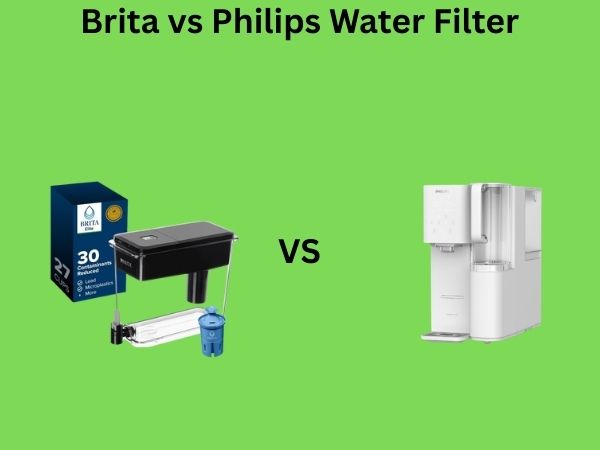
Let’s get down to brass tacks. How does a Berkey system truly differ from, say, a standard Brita pitcher or a whole-house filtration system? It’s all about the level of filtration and the system’s design. Many find Berkey’s robust filters a step up.
Contaminant Removal Power
We found that Berkey filters are designed to remove a much wider range of contaminants than typical faucet or pitcher filters. This includes things like lead, arsenic, and cysts. It’s not just about taste; it’s about reducing serious health risks. While RO systems also remove many contaminants, Berkey’s approach often requires less maintenance and no electricity. CDC guidelines often point to multiple barrier approaches for water safety, and Berkey’s dual-stage filtration acts as such a barrier.
Filter Lifespan and Cost
Filter replacement is a big factor in long-term cost. Berkey filters are known for their long lifespan. Depending on the model and water usage, they can last for thousands of gallons. This means fewer filter changes over time. Compare this to pitchers that might need new filters every few months. While the initial Berkey purchase might seem higher, the extended filter life often makes it more economical in the long run.
Flow Rate and Convenience
Gravity filters, including Berkey, have a slower initial flow rate. You fill the top chamber, and it filters down over time. This means you need to plan a bit ahead. However, for many, this is a small price to pay for the quality of filtration. RO systems can offer on-demand water but may have a storage tank. Faucet filters provide instant filtered water but typically have lower filtration capabilities.
Portability and Off-Grid Use
This is where Berkey often shines. Because it doesn’t need electricity or plumbing, Berkey systems are excellent for camping, RVs, and emergency preparedness. You can fill them from virtually any water source. We found many people choose Berkey specifically for its reliability when the grid is down. This portability is something most whole-house systems or under-sink RO units simply can’t match.
Berkey in Your Home: What to Consider
So, is a Berkey system the right fit for your household? Let’s break down some practical points. Think about your daily water needs and your current water quality. This helps you make the best decision for your family’s health and well-being.
Here’s a quick checklist to help you decide:
- Do you want to remove a wide variety of contaminants, not just chlorine?
- Are you looking for a system that works without electricity?
- Is long-term cost-effectiveness a priority?
- Do you need a filter that’s suitable for emergency preparedness or travel?
- Are you okay with a system that filters water over time, rather than instantly?
- Does your current water have noticeable issues like sediment, bad taste, or odor?
Many families find that by understanding these differences, they can confidently choose a filtration system that meets their needs. Berkey offers a compelling option for those prioritizing thorough filtration, durability, and independence from utilities.
Conclusion
You’ve learned how Berkey filters stand out against other options in 2026. Their gravity-fed system offers broad contaminant removal without needing electricity. While other filters like activated carbon pitchers are simpler, they don’t catch as much. Reverse osmosis is thorough but can be complex and waste water. Berkey’s long filter life and cost-effectiveness over time are major wins. For reliability off-grid or during emergencies, Berkey is hard to beat. Now that you have this information, consider your household’s water needs and choose the filter that gives you the most confidence.
Frequently Asked Questions
How often do Berkey filters need to be replaced compared to pitcher filters?
Berkey filters boast a significantly longer lifespan, often filtering thousands of gallons before replacement is needed. Standard pitcher filters typically require replacement every 1-3 months. This means fewer filter changes and potentially lower long-term costs with a Berkey.
Can a Berkey filter remove bacteria and viruses?
Yes, Berkey’s Black Berkey purification elements are designed to remove bacteria, viruses, cysts, and other microscopic contaminants. This goes beyond what many basic carbon filters can achieve, offering a higher level of purification.
Do I need a plumbed-in system for a Berkey water filter?
No, absolutely not. Berkey filters are gravity-fed and do not require any plumbing or electricity to operate. You simply pour water into the top chamber, and gravity does the work of filtering it into the lower chamber.
Is the initial cost of a Berkey system worth it compared to cheaper options?
While the upfront cost of a Berkey system can be higher than a simple water pitcher, its extended filter life and efficient purification often make it more economical over the long run. You save money on frequent filter replacements and gain a more robust filtration solution.
What happens if my tap water quality changes suddenly?
Because Berkey filters target a wide array of contaminants, they can adapt well to changes in your water quality. You’ll still get effective filtration even if your water source experiences fluctuations in sediment, taste, or other impurities.
![10 Best Faucet Water Filter [2026]](https://waterans.com/wp-content/uploads/2026/07/10-best-faucet-water-filter-2026-featured-768x432.jpg)

![10 Best Shower Water Filter [2026]](https://waterans.com/wp-content/uploads/2026/07/10-best-shower-water-filter-2026-featured-768x432.jpg)