How Often Should You Change a Brita Bottle Filter? A Complete Guide
If you’re like me, you’ve probably grabbed a Brita water bottle thinking you’d finally start drinking more water. It’s convenient, portable, and makes tap water taste infinitely better. But then you start wondering: how often am I actually supposed to change this filter? Is it every month? Every two months? When does it actually stop working?
I’ve been there, staring at my Brita bottle wondering if I should replace the filter or if it still has some life left in it. The truth is, understanding when to change your Brita filter isn’t just about following a random timeline—it’s about getting the best performance and ensuring your water stays clean and fresh. Let me walk you through everything you need to know.
Understanding Your Brita Bottle Filter Basics
Before we dive into the “when,” let’s talk about the “what.” Your Brita water bottle filter isn’t magic, even though it sometimes feels like it. It’s actually a clever combination of materials working together to improve your water quality. Think of it like a bouncer at a club—it lets the good stuff through and stops the bad stuff from getting in.
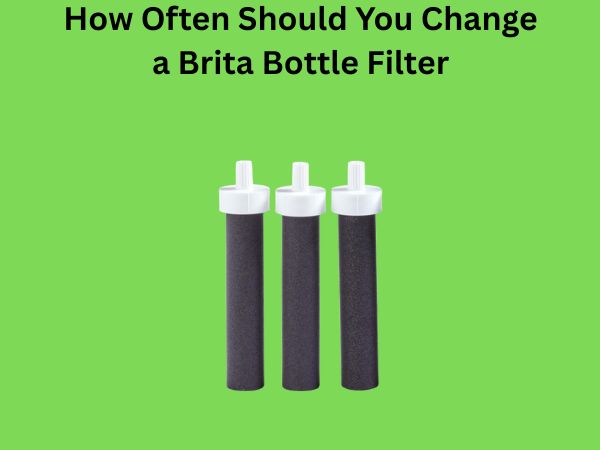
The filter contains activated carbon and ion exchange resin. The activated carbon works like a sponge, soaking up impurities, chlorine, and odors that make your tap water taste funky. The ion exchange resin, on the other hand, removes hard minerals like calcium and magnesium. Together, they transform ordinary tap water into something you actually want to drink.
What Makes the Filter Stop Working?
Here’s the thing about water filters: they don’t just suddenly break down. Instead, they gradually become less effective. The activated carbon fills up with contaminants, kind of like a sponge becoming saturated. Once it’s full, it can’t absorb any more impurities, and your water starts tasting like tap water again.
The ion exchange resin also gets tired over time. It can only handle so much hard water before it needs to be replaced. Eventually, both components lose their effectiveness, and no amount of hope will bring them back.
The Standard Timeline for Changing Your Brita Filter
Let’s get to the question you’re really asking: how often should you change it? The general answer that Brita gives is every two months or after filtering 40 gallons of water, whichever comes first. But here’s where it gets interesting—this timeline isn’t one-size-fits-all.
Why Two Months Is the Standard Recommendation
Brita settled on two months based on average household usage. They’re assuming that a typical person drinks about 20 gallons of water per month. If you’re a casual water drinker, you might stretch your filter longer. But if you’re hitting the gym five times a week and chugging water like your life depends on it, two months might be too long.
The two-month timeline also accounts for the fact that filters can start developing bacteria if they sit unused for too long. Even if your filter hasn’t reached its 40-gallon capacity, leaving it in your bottle for months without replacement creates an environment where microorganisms can thrive.
Factors That Affect How Often You Need to Change Your Filter
Here’s where your specific situation comes into play. Not everyone lives in the same water conditions, and not everyone drinks the same amount of water. Let me break down the main factors that influence how frequently you should replace your filter.
Your Water Quality and Hardness
If you live in an area with hard water—meaning high mineral content—your filter is going to work overtime. Hard water is like throwing extra trash at your bouncer. They’re still doing their job, but they’re getting worn out faster. If your water is particularly hard, you might need to change your filter every six to eight weeks instead of two months.
You can check your water hardness by getting a simple test kit from a hardware store or contacting your local water utility. They usually provide this information for free.
How Much Water You Actually Drink
This is probably the most straightforward factor. The more water you filter, the faster your filter gets used up. Someone who drinks eight glasses of water daily will go through filters much faster than someone who has a glass or two.
If you’re using your Brita bottle to filter water for your entire family, you’re definitely going to be changing filters more frequently. I’ve known people who go through a filter in just six weeks because they’re filtering water for four people.
Tap Water Chlorine Levels
Some municipalities add more chlorine to their water than others. If your tap water smells heavily of chlorine, your filter is working hard to remove that odor and taste. Higher chlorine levels mean your activated carbon gets used up faster.
Storage and Usage Patterns
Here’s something people don’t think about enough: how you store and use your bottle matters. If your Brita bottle sits in a warm place or gets direct sunlight, the filter degrades faster. Also, if you’re using it sporadically instead of regularly, the filter might actually harbor bacteria.
Consistent, regular use in a cool environment actually extends your filter’s life better than inconsistent usage with extended gaps.
Signs Your Filter Needs Replacement Right Now
Forget the calendar for a moment. Your water itself will tell you when it’s time for a change. I always recommend keeping an eye out for these telltale signs that your filter is calling it quits.
Water Tastes Like Tap Water Again
Remember why you bought the Brita bottle in the first place? It made your water taste better. If you suddenly notice your water tasting like regular tap water again, that’s your sign. Your filter has lost its taste-improving ability, which means the activated carbon is saturated.
Slow Water Flow
When your filter gets clogged with contaminants, water flows through it slower. You might notice that filling up takes longer than it used to. This suggests your filter is packed and ready for retirement.
Visible Discoloration or Particles
Sometimes you’ll see tiny black particles or discoloration in your water. This usually means the filter is breaking down or has been compromised. Time for a new one.
Odor Issues
If your water starts smelling funny—maybe musty or like chlorine again—your filter has definitely lost its effectiveness. Chlorine smell especially means the activated carbon can’t handle any more.
How to Track Your Filter Changes Effectively
You could remember to change your filter every two months, or you could actually keep track. Here are some practical methods I’ve found helpful.
Use Your Phone Reminder
Set a recurring reminder on your phone for every eight weeks. When it pops up, check your water and decide if it’s time. It’s simple and you won’t forget.
Keep a Written Log
I know this sounds old-school, but writing down the date you installed a new filter actually works. Stick a small note on your fridge or keep a log in your notes app.
Use the Filter Indicator
Some newer Brita bottles come with a built-in filter indicator light. This is honestly a game-changer. It monitors your water usage and tells you when to replace the filter. If your bottle has this feature, pay attention to it—it’s more accurate than any calendar.
Go by the 40-Gallon Rule
If you’re someone who likes numbers, track how much water you’re filtering. Keep a rough estimate of your daily usage, and when you hit 40 gallons, change your filter. It’s more reliable than just guessing.
What Happens If You Don’t Change Your Filter on Time
I get it—sometimes life gets busy and you forget about your filter. But there are real consequences to ignoring this maintenance task.
Decreased Water Quality
Your filter won’t suddenly stop working, but it will gradually become less effective. Contaminants that were being filtered out will start making their way into your water. You’re not getting the clean water you think you are.
Bacterial Growth
This is the serious one. A saturated filter that’s been sitting for weeks provides the perfect environment for bacteria to grow. While Brita filters aren’t designed to remove bacteria completely, an old filter can actually become a breeding ground.
Strange Tastes and Odors
Beyond just tasting like tap water, an old filter can give your water off-flavors and musty smells. It’s unpleasant and a clear sign something’s wrong.
Wasted Money on the Bottle
Here’s the thing: if you’re not changing your filter regularly, you’re basically paying for a bottle that doesn’t work. You might as well just drink tap water. The whole point of having a Brita is maintaining those filters.
Proper Storage Tips to Extend Filter Life
While you can’t make a filter last forever, you can definitely help it perform better for longer.
Keep It Cool and Out of Sunlight
Store your Brita bottle in a cool place, away from direct sunlight. Heat and UV light degrade the filter materials. A kitchen cabinet or the refrigerator is ideal.
Keep It Clean
Regularly wash the outside of your bottle and the cap. While you shouldn’t take apart the filter itself, keeping the bottle clean prevents contaminants from entering the system.
Use It Regularly
Counterintuitive, right? But regularly using your filter is actually better than letting it sit. Consistent use prevents bacteria from having a chance to colonize the filter.
Cost Considerations for Filter Replacement
Let’s talk money. How much are you actually spending on keeping your Brita bottle running?
Filter Prices
A single Brita filter typically costs between five and ten dollars, depending on where you buy them. If you’re changing filters every two months, that’s about thirty to sixty dollars per year. It adds up, but it’s still cheaper than most bottled water alternatives.
Where to Buy Filters Cheaply
Pro tip: buying filters in bulk is cheaper than buying them one at a time. Amazon, Costco, and Walmart often have better deals when you buy multi-packs. I’ve saved hundreds over the years by buying six filters at once instead of one.
The Long-Term Investment
Think about how much you’d spend on bottled water annually. Most people spend far more than the cost of Brita filters plus the bottle itself. Even with regular replacements, you’re saving money and reducing plastic waste.
Different Brita Bottle Models and Their Filter Lives
Not all Brita bottles are created equal, and neither are their filters.
Standard Brita Bottles
The classic Brita bottles with standard filters follow the two-month or 40-gallon rule pretty closely. These are your most common models.
Brita Premium Bottles
Some premium Brita models use advanced filters that last longer, sometimes up to three months. These filters are more expensive upfront but might save you money if you go through water slowly.
Brita Pitcher Filters vs. Bottle Filters
If you also use a Brita pitcher at home, note that pitcher filters usually last two to three months and handle 40 gallons, just like bottle filters. However, pitcher filters often have a larger capacity if you’re filtering for multiple people.
Environmental Impact of Regular Filter Changes
Here’s something worth considering: what happens to those used filters?
Plastic Waste Concerns
Each filter is made of plastic and filtering materials. If you’re changing them regularly, you’re creating waste. However, this is still better than buying bottled water, which generates far more plastic waste.
Recycling Options
Some areas have recycling programs for water filters. Check with your local waste management to see if they accept Brita filters. Brita also has a mail-back recycling program where you can send used filters to be recycled properly.
Common Mistakes People Make With Filter Maintenance
After talking to many Brita users, I’ve noticed some recurring mistakes that people make.
- Thinking one filter lasts a year—it doesn’t
- Ignoring signs that the filter needs changing
- Storing the bottle in hot or sunny places
- Not priming new filters before use
- Forgetting to replace filters and then wondering why water tastes bad
- Buying filters in bulk and storing them incorrectly
When to Consider Replacing Your Entire Bottle
Sometimes the issue isn’t the filter—it’s the bottle itself. If your bottle is cracked, leaking, or the filter housing is damaged, no new filter will help. Consider replacing the entire unit if:
- The bottle has visible cracks or damage
- Water leaks from the seams
- The filter housing is cracked or doesn’t fit properly
- The bottle is over five years old and showing wear
Conclusion
So, how often should you change your Brita bottle filter? The honest answer is: every two months or after 40 gallons, but pay attention to your specific situation. Your water quality, usage patterns, and local water conditions all play a role. The best approach is combining the two-month timeline with awareness of the signs that tell you it’s time for a change.
Your water tastes off? Change it. Your filter flow slows down? Change it. It’s been two months? Change it. Don’t overthink it, but don’t ignore it either. Regular filter changes are the difference between having a useful water filtration system and having an expensive bottle sitting on your desk doing nothing.
Think of filter maintenance like brushing your teeth—it’s a small routine that prevents bigger problems down the line. Spend a few dollars every couple of months and enjoy cleaner, better-tasting water. Your body and your wallet will thank you.
Frequently Asked Questions
Can I use a Brita bottle filter beyond two months if the water still tastes fine?
While your water might still taste okay, I wouldn’t recommend it. Even if the taste hasn’t changed dramatically, the filter’s ability to remove contaminants decreases over time. Plus, an old filter can harbor bacteria. It’s better to stick to the two-month guideline or the 40-gallon mark, whichever comes first. The small cost of a new filter is worth the peace of mind that you’re drinking genuinely clean water.
Why does my new Brita filter seem to flow slowly at first?
New filters need to be primed before use. When you first get a filter, soak it in cold water for about 15 minutes, then run water through it several times before actually using it. This removes air pockets and activated carbon dust. If you skip this step, you might think your filter is defective when it’s just not primed.