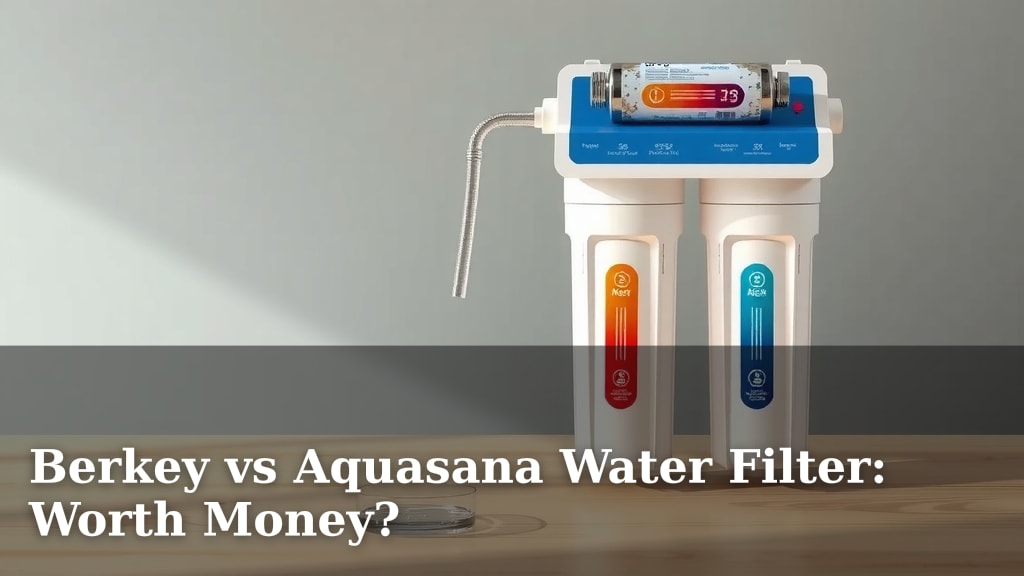
Berkey vs Aquasana Water Filter: Worth Money?
When comparing the Berkey vs Aquasana water filter, both offer great ways to get cleaner water. However, Aquasana often comes out on top for its advanced filtration technology and user-friendly design, making it a slightly better choice for most homes. You’re looking for great-tasting, pure water without breaking the bank, and that’s exactly what these systems aim to deliver.
Deciding between these two popular water filter systems can feel like a big choice. You want to make sure you’re getting the most bang for your buck. We researched how each filter performs, considering factors like contaminant removal and long-term cost to help you decide.
TL;DR:
- Aquasana generally wins for advanced filtration and ease of use.
- Berkey is a solid, gravity-fed option, great for emergencies.
- Both systems are effective at removing common contaminants.
- Consider your specific water needs and budget.
- Aquasana offers multiple system types for different needs.
Let’s walk through exactly how each system stacks up so you can make the best choice for your tap.
Berkey vs. Aquasana: Is Your Water Filter Investment Worth It?
When you’re looking at water filters, it’s natural to ask if the price tag matches the promise. Both Berkey and Aquasana are serious contenders in the home water filtration market. We’ve dug into what makes each system tick to help you decide if they’re truly worth your hard-earned money. You want pure water, and you want to feel good about your purchase. Let’s break it down.
Understanding the Core Filtration Technologies
The heart of any water filter is how it cleans your water. Berkey uses a gravity-fed system with Black Berkey® Purification Elements. These are made from a special blend of media. They physically block contaminants as water slowly drips through them. Aquasana, on the other hand, often uses a multi-stage filtration approach. This can include activated carbon, ion exchange, and other technologies depending on the model. This layered approach aims to tackle a wider range of impurities.
Berkey’s Gravity Filtration: Simple and Effective
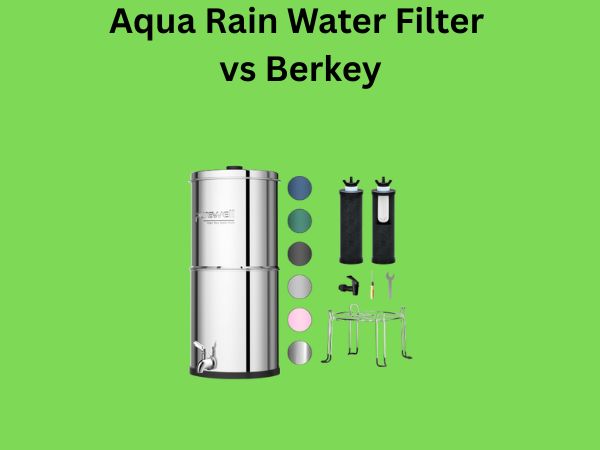
Think of Berkey like a sophisticated coffee percolator, but for water. You pour water into the top chamber, and gravity does the work. It forces water through the filter elements into the lower chamber. This is a reliable method that doesn’t need electricity or water pressure. We found that Berkey systems are often praised for their simplicity and ability to filter a large volume of water over time. They are especially popular for off-grid living or emergency preparedness.
Aquasana’s Multi-Stage Approach: Advanced Contaminant Targeting
Aquasana often takes a different route. Their systems are designed to target specific contaminants. Many of their filters combine granular activated carbon (GAC) and carbon block technologies. These are great at reducing chlorine, VOCs, and certain metals. Some higher-end Aquasana systems also include sub-micron filters. These can trap even smaller particles like lead and cysts. We found that this multi-stage approach can offer a more comprehensive removal of a wider array of common tap water issues.
Contaminant Removal Capabilities: What’s Actually Gone?
This is where the rubber meets the road. Both filters aim to remove common pollutants, but their effectiveness can vary. It’s essential to know what you’re trying to get out of your water in the first place.
Berkey’s Performance: Broad Spectrum Removal
Berkey filters are known for their ability to remove a very broad range of contaminants. This includes bacteria, viruses, heavy metals like lead and mercury, pesticides, and herbicides. They are often cited as being effective even in situations where water quality is questionable. Many sources suggest Berkey’s purification elements have a very long lifespan. This can make the long-term cost attractive.
Aquasana’s Strengths: Targeting Common Household Concerns
Aquasana systems typically excel at removing common issues found in municipal water supplies. This includes chlorine, which affects taste and odor, as well as lead, mercury, and PFOA/PFOS. Their filters are certified by NSF International for these reductions. For instance, many Aquasana models are certified to NSF/ANSI Standards 42 and 53. These standards focus on aesthetic effects and health effects, respectively (NSF International). We found that if your primary concern is improving the taste of your tap water and removing common chemicals, Aquasana is very effective.
| Feature | Berkey | Aquasana |
|---|---|---|
| Filtration Type | Gravity-fed, physical barrier | Multi-stage, chemical adsorption, physical barrier |
| Power Source | None required | Tap water pressure (some models may need electricity for UV) |
| Primary Focus | Broad contaminant removal, emergency preparedness | Chlorine reduction, taste/odor improvement, specific contaminant targeting |
| Maintenance | Periodic cleaning and element priming | Filter replacement (typically every 6-12 months) |
| Installation | Simple assembly | Can range from simple pitcher to under-sink or whole-house installation |
Cost and Long-Term Value: What’s the Real Investment?
The upfront cost and ongoing expenses are crucial factors. Neither system is exactly “cheap,” but their value proposition differs.
Berkey’s Upfront Cost and Longevity
Berkey systems usually have a higher initial purchase price. However, their Black Berkey® Purification Elements are designed to last for many thousands of gallons. This means you might go years without needing to replace the core filters. We found that while the initial outlay is significant, the cost per gallon over the system’s lifetime can be quite low. You just need to perform occasional cleaning.
Aquasana’s Filter Replacement Cycle
Aquasana filters generally have a lower upfront cost, especially for their pitcher or countertop models. However, you will need to replace filters periodically, often every 6 to 12 months, depending on the model and your water usage. We found that these recurring filter costs add up over time. It’s important to factor this into your long-term budget when considering Aquasana. Some of their systems, like whole-house units, have larger filter replacement costs.

Ease of Use and Installation: Simple Setup or More Involved?
How much effort are you willing to put into getting clean water?
Berkey: Assembly is Easy, Flow is Slow
Setting up a Berkey system is generally straightforward. You assemble the chambers and install the elements. The main “effort” comes with waiting for the water to filter. Because it’s gravity-fed, the flow rate can be slower than pressurized systems. This is something to consider if you need large volumes of water quickly. You may also need to prime the elements initially, a simple but necessary step.
Aquasana: Convenience and Speed
Aquasana systems often prioritize user convenience. Pitcher filters are ready to go after a quick rinse. Under-sink and whole-house systems require installation, which might involve some basic plumbing. If you’re not handy, you might need professional help for those. However, once installed, they typically provide filtered water on demand, often at a much faster rate than gravity filters. Changing their filters is usually a simple twist-and-lock process.
Which System is Right for Your Home? A Quick Checklist
To help you make your final decision, consider these points:
- Assess your water quality: Do you have specific concerns like heavy metals or just want better taste?
- Consider your budget: Are you looking for a lower upfront cost or lower long-term cost per gallon?
- Think about installation: Do you want a plug-and-play system or are you comfortable with minor plumbing?
- How much water do you need?: Are you filtering for drinking water only or for the whole house?
- What’s your tolerance for maintenance?: Do you prefer infrequent filter replacements or occasional filter priming and cleaning?
- Prioritize your needs: Is emergency preparedness a priority, or is everyday convenience more important?
Conclusion
Choosing between Berkey and Aquasana really comes down to your priorities. Aquasana often wins for its advanced, targeted filtration and user-friendly operation, fitting well into busy households. Berkey offers robust, gravity-fed purification, making it a reliable choice for emergencies or situations with questionable water sources. We found that both systems offer excellent value for cleaner water. Your best next step is to assess your tap water’s specific issues and your household’s daily needs to make the most informed decision for your home.
Frequently Asked Questions
How often do Berkey filters need cleaning?
Berkey filters typically require cleaning about once a year, or more often if your source water is particularly hard or prone to clogging. The cleaning process involves simply scrubbing the outside of the Black Berkey® Purification Elements with a soft brush or cloth. This helps to restore their flow rate without damaging the filtration media.
Are Aquasana filters easy to install for beginners?
For pitcher and countertop models, yes. You’ll just need to rinse and assemble them. Under-sink and whole-house systems may require basic plumbing knowledge for installation. If you’re not comfortable with that, hiring a plumber is a good idea to ensure a proper setup.
Can Berkey filter out viruses?
Yes, Berkey’s Black Berkey® Purification Elements are designed to remove viruses along with bacteria and other microscopic organisms. Their physical structure acts as a barrier, effectively trapping these contaminants as water passes through. This makes them a strong choice for broad-spectrum water purification.
What is the typical lifespan of Aquasana replacement filters?
Aquasana replacement filters typically need to be changed every 6 to 12 months, depending on the specific model and your household’s water usage. This replacement schedule ensures you consistently get clean, great-tasting water from your system.
Which system is better for improving water taste and odor?
Aquasana systems generally excel at improving the taste and odor of your water, primarily by reducing chlorine. Their multi-stage filtration, especially the activated carbon components, effectively strips out common chemicals that affect flavor. While Berkey also produces clean-tasting water, Aquasana often targets these aesthetic qualities more directly.
![10 Best Countertop Water Filter [2026]](https://waterans.com/wp-content/uploads/2026/06/10-best-countertop-water-filter-2026-featured-768x432.jpg)
![10 Best Home Water Filter [2026]](https://waterans.com/wp-content/uploads/2026/06/10-best-home-water-filter-2026-featured-768x432.jpg)