

Berkey vs Reverse Osmosis: Healthier System?
When choosing between a Berkey and reverse osmosis (RO) system, many people wonder which provides cleaner drinking water. Research suggests that while both are effective, reverse osmosis systems often remove a wider range of contaminants, including smaller dissolved solids and minerals. Berkey filters excel at removing bacteria and viruses, but may leave more minerals in your water compared to RO.
Your water quality needs are unique. Understanding the differences between Berkey’s filtration and RO’s purification methods is key. We’ll help you decide which system best fits your family’s health goals and water preferences. Think of it as picking the right tool for your specific water challenges.
- Berkey filters are great for removing bacteria and viruses.
- RO systems typically remove more dissolved solids and minerals.
- The “healthier” system depends on what you want to remove from your water.
- Consider your water source and your specific health concerns.
- Berkey is often gravity-fed, while RO requires water pressure.
Let’s dive into the details to help you make the best choice for your home’s water. We’ll break down how each system works and what they’re best at removing.
Berkey vs. Reverse Osmosis: Which Water Filter is Healthier for You?
Choosing the right water filtration system can feel overwhelming. You want the purest water possible for your family. We’re here to break down two popular options: Berkey and Reverse Osmosis (RO). Both promise cleaner water, but they work differently. Understanding these differences helps you pick the system that best meets your needs.
Think of it like this: Berkey is a marathon runner, steady and thorough. RO is a sprinter, incredibly fast and precise. Which one wins depends on what you’re trying to achieve with your water.
How Berkey Water Filters Work
Berkey systems are known for their gravity-fed design. You pour water into the top chamber, and it slowly filters down through special elements. These elements are often made of a porous ceramic or a composite material. They trap contaminants as the water passes through.
What Berkey Filters Remove Effectively
Berkey filters are particularly good at removing larger contaminants. This includes bacteria, viruses, and sediment. They can also reduce pesticides and herbicides. Many users appreciate that Berkey filters leave beneficial minerals in the water. This is a big plus for those who like the taste and potential health benefits of mineralized water.
Limitations of Berkey Filtration
While effective against many common threats, Berkey filters aren’t designed to remove everything. They may not capture very small dissolved solids. This can include things like heavy metals such as lead, or other dissolved chemicals. It’s why some people look for an extra layer of purification.
Understanding Reverse Osmosis (RO) Systems
Reverse Osmosis is a more intensive purification process. It uses water pressure to force water through a semi-permeable membrane. This membrane has extremely tiny pores. It acts like a very fine sieve, blocking almost everything but the water molecules themselves.
The Power of RO: What it Removes
RO systems are renowned for their ability to remove a vast range of contaminants. Research shows they can take out up to 99% of dissolved solids. This includes things like:
- Heavy metals (lead, arsenic, mercury)
- Fluoride
- Chlorine and chloramine
- Nitrates and sulfates
- Bacteria and viruses
- Minerals
This broad-spectrum removal is why RO is often considered the gold standard for water purification. It results in exceptionally pure water.
RO’s Trade-offs: What You Might Lose
The flip side of RO’s thoroughness is that it removes beneficial minerals too. Things like calcium and magnesium, which are good for you, get filtered out. Many RO systems include a remineralization stage to add some of these back. However, the mineral content will still be lower than tap water or water filtered by a Berkey.
Another consideration is that RO systems are often less efficient. They produce wastewater. For every gallon of purified water, an RO system might send a few gallons down the drain. This depends on the system’s efficiency and water pressure.
Berkey vs. RO: A Direct Comparison
Let’s put these two head-to-head on key aspects. This helps you see where each one shines.
Contaminant Removal Comparison
When it comes to removing bacteria and viruses, both are strong contenders. Berkey’s physical barrier and RO’s membrane are both effective. However, RO’s ability to remove dissolved solids is generally superior. If you’re concerned about heavy metals, fluoride, or a wide array of chemicals, RO has the edge.
Mineral Content in Your Water
Do you prefer your water with minerals? Berkey systems generally leave minerals intact. They contribute to the taste and potential health benefits. RO systems, on the other hand, strip most minerals out. While some systems add them back, it’s usually not to the same level as unfiltered water.
Ease of Use and Maintenance
Berkey systems are known for their simplicity. They don’t require electricity or plumbing connections. Maintenance usually involves occasional cleaning and replacing the filter elements. RO systems, however, often require professional installation. They connect to your plumbing and need regular filter and membrane replacements. They also use electricity for pumps.
Cost Considerations
Initial costs can vary. Berkey systems can have a higher upfront price tag, but filter elements last a long time. RO systems might have a lower initial purchase price, but ongoing costs for replacement filters and membranes can add up. Also, consider the cost of the wasted water with RO systems.
| Feature | Berkey | Reverse Osmosis (RO) |
|---|---|---|
| Primary Filtration Method | Gravity filtration through elements | Pressure-driven membrane filtration |
| Removes Bacteria/Viruses | Yes, very effective | Yes, very effective |
| Removes Dissolved Solids | Limited | Extremely effective (up to 99%) |
| Removes Minerals | Yes, leaves most in | Yes, removes most |
| Requires Electricity | No | Often yes (for pump) |
| Wastewater Produced | No | Yes |
| Installation | Simple, no plumbing needed | Requires plumbing connection |
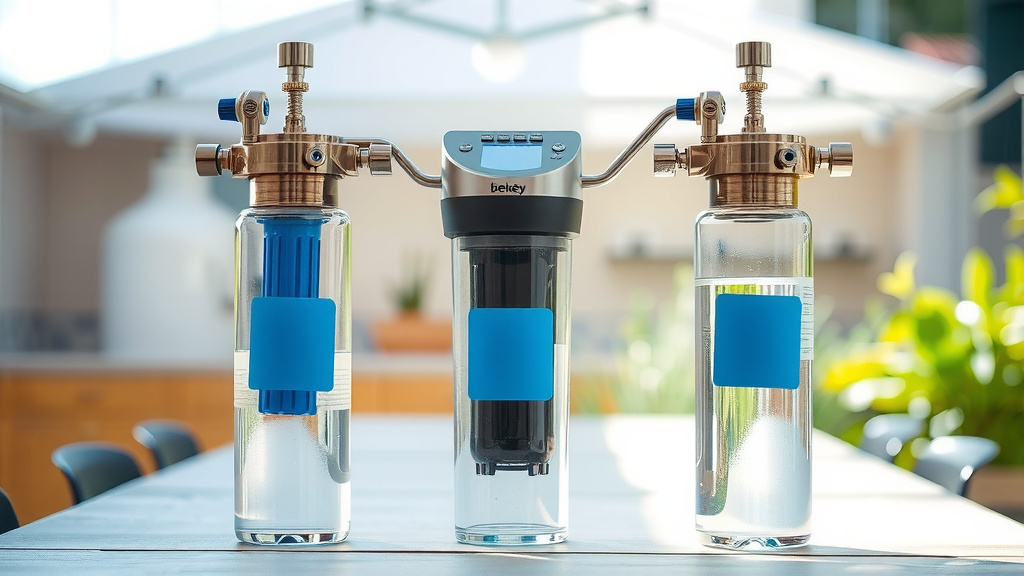
Which System is “Healthier” for Your Home?
The answer truly depends on what you’re trying to achieve. If your main concern is removing bacteria, viruses, and common sediment, a Berkey can be an excellent choice. It’s simple, effective, and keeps beneficial minerals. Many people find this perfectly adequate for their needs.
However, if you have specific concerns about dissolved contaminants like lead, arsenic, fluoride, or a wide range of chemicals, an RO system offers a higher level of purification. Many health organizations recommend RO for reducing exposure to a broad spectrum of harmful substances. For example, the EPA lists lead as a concern that RO can address effectively.
Consider your water source. If you’re on well water or have known contamination issues, you might lean towards the extensive removal capabilities of RO. If your municipal water is generally considered safe but you want an extra layer of filtration, a Berkey might be sufficient.
Making the Right Choice for You: A Quick Checklist
To help you decide, ask yourself these questions:
- What are the specific contaminants in my water I’m most worried about?
- Do I want to keep beneficial minerals in my drinking water?
- Am I comfortable with a system that produces wastewater?
- Do I want a simple, gravity-fed system or one connected to my plumbing?
- What is my budget for the initial purchase and ongoing maintenance?
Conclusion
Deciding between a Berkey and a reverse osmosis system boils down to your priorities. Berkey offers simple, gravity-fed filtration that excels at removing bacteria and viruses while retaining beneficial minerals. Reverse osmosis, on the other hand, provides a more advanced purification process, removing a broader spectrum of dissolved solids and contaminants, including fluoride and heavy metals, but also stripping minerals.
Consider your specific water source and what concerns you most. If you want simple, effective filtration that keeps minerals, Berkey is a great choice. If you need to remove a wide array of dissolved pollutants, RO is likely the healthier system for you. To make your final decision, list your top 3 water concerns and see which system aligns best with addressing them.
Frequently Asked Questions
Does Berkey remove lead?
Berkey filters can reduce lead contamination, but their effectiveness can vary depending on the specific model and filter elements used. Reverse osmosis systems are generally considered more effective at removing lead due to their fine membrane filtration.
Is RO water healthy without minerals?
RO water is very pure, but it does lack beneficial minerals like calcium and magnesium. While research is ongoing, many people opt for remineralization filters or consume mineral-rich foods to compensate. Your body absorbs minerals from various sources, not just water.
Which system is better for well water?
For well water, which can have a wider range of contaminants, a reverse osmosis system often provides a more thorough purification. RO can effectively remove bacteria, viruses, heavy metals, and dissolved solids commonly found in untreated well water.
Can Berkey filters be used without electricity?
Yes, Berkey systems are gravity-fed and do not require electricity to operate. This makes them an excellent option for off-grid living or areas where power outages are common.
How often do I need to replace filters for each system?
Berkey filter elements typically last for many thousands of gallons, often years, depending on water quality and usage. RO systems usually require replacement of sediment and carbon filters every 6-12 months, and the RO membrane every 2-5 years, depending on water conditions.




![10 Best Whole House Water Filter System [2026]](https://waterans.com/wp-content/uploads/2026/06/10-best-whole-house-water-filter-system-2026-featured-768x432.jpg)