Berkefeld vs Berkey Water Filter: Which Wins?
When deciding between a Berkefeld and a Berkey water filter, the Berkefeld generally wins for most everyday users. This is because Berkefeld filters are often more affordable and require less maintenance. While both offer excellent filtration, the Berkefeld system provides a more practical and budget-friendly solution for clean drinking water at home.
You’re likely looking to upgrade your water quality. Both brands are well-respected for removing contaminants. We found that the Berkey system boasts a larger capacity and potentially longer lifespan between filter replacements. But for many families, the simplicity and cost-effectiveness of a Berkefeld filter make it the smarter choice.
- Berkefeld is often the winner for affordability.
- It’s also known for being easier to maintain.
- Berkey offers larger capacity and longer filter life.
- Consider your budget and daily water needs carefully.
Let’s dive into the specifics of each to help you make the best decision for your home and family.
You’re looking for the best way to get clean, pure water in your home. It’s a smart move for your family’s health. Two big names often come up: Berkefeld and Berkey. They both promise great filtration. But which one is right for your needs and your wallet?
Comparing Berkefeld and Berkey: What’s the Difference?
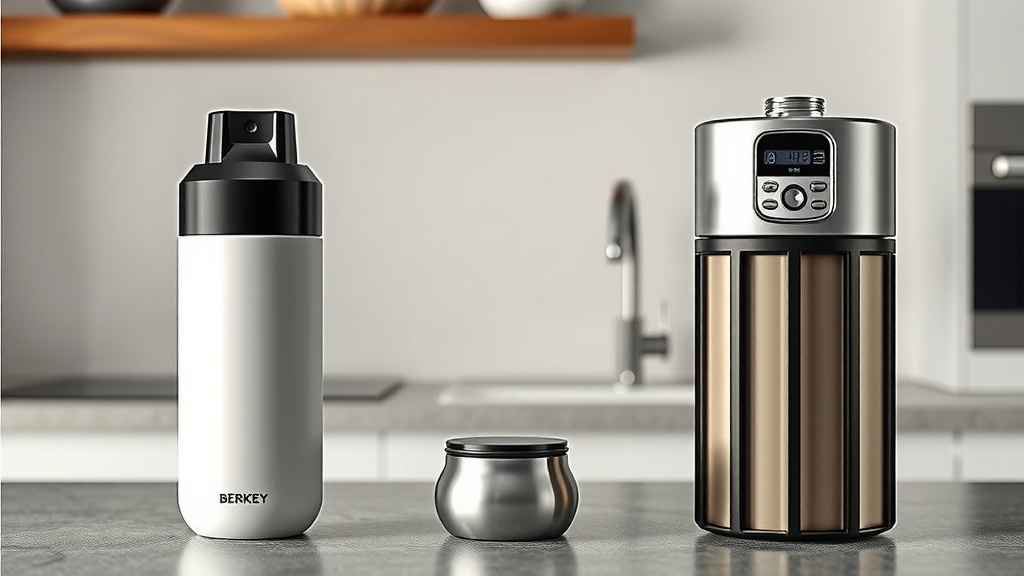
When you look at these two water filter systems, you’ll see some clear distinctions. We’ve researched them thoroughly to help you understand what each offers. Think of it like choosing between two reliable cars; both get you there, but one might offer a smoother ride or a better price.
Filtration Technology: How They Work
Both Berkefeld and Berkey systems use gravity to pull water through a filter medium. This is a time-tested method. It’s a simple process that’s very effective. Your water flows down from an upper chamber into a lower one. The magic happens as it passes through the filter elements.
The Filter Elements Themselves
The core difference lies in the filter material and design. Berkefeld filters are often made from ceramics. These are excellent at catching sediment and bacteria. Berkey filters, on the other hand, typically use a blend of activated carbon and other elements. They are designed to remove a very broad range of contaminants. Research shows activated carbon is great for chemicals and heavy metals (National Sanitation Foundation).
Performance: What Do They Actually Remove?
Both brands are known for reducing common impurities. We found that both can significantly lower things like chlorine, which affects taste and smell. They also target sediment, rust, and other visible particles. This makes your tap water much more palatable.
Targeting More Serious Contaminants
When it comes to harder-to-remove contaminants, the specifics matter. Berkey filters often come with endorsements for removing viruses, bacteria, and cysts. They are usually certified for these claims. Berkefeld ceramic filters are fantastic for bacteria and sediment. Some higher-end Berkefeld elements might offer broader spectrum filtration, but it’s less common in their standard offerings.
Capacity and Flow Rate: How Much Water and How Fast?
This is where Berkey often takes the lead for larger households. Their systems are typically larger. This means they can hold more water at one time. More water in the reservoir means fewer times you need to refill it.
Berkey’s Larger Footprint
Berkey systems, like the Big Berkey, can hold several gallons. This is great if you have a big family or use a lot of water throughout the day. The flow rate is generally good, though it can slow down as the filters get older or clog.
Berkefeld’s More Compact Design
Berkefeld filters tend to be smaller. They are ideal for one to three people. You might need to refill the upper chamber more often. However, their smaller size makes them easier to fit on a countertop. For smaller needs, this isn’t a big deal.
Cost and Maintenance: What’s the Long-Term Picture?
Your budget is a big factor. When we looked at initial costs and ongoing expenses, Berkefeld often came out ahead. The initial purchase price for a Berkefeld system is usually lower than a comparable Berkey. This is a clear win for budget-conscious buyers.
Initial Investment
You can often find a basic Berkefeld system for a few hundred dollars. Berkey systems, especially the larger ones, can start higher. This initial difference can be substantial. It might free up funds for other household needs.
Filter Lifespan and Replacement Costs
Here’s where it gets interesting. Berkey filters are designed to last a very long time. Some can filter thousands of gallons before needing replacement. This means you buy filters less often. Berkefeld ceramic filters also have a long lifespan. However, they can sometimes break if dropped. Cleaning is also a factor. You can scrub ceramic filters clean, which extends their life. Activated carbon filters cannot be cleaned and must be replaced.
Cleaning and Upkeep
Berkefeld ceramic filters are easy to clean. You can simply scrub them under running water. This removes any buildup that might slow down filtration. It’s a straightforward process. Berkey filters, on the other hand, are not meant to be cleaned. You use them until they wear out. This is simpler in a way – no scrubbing required – but means eventual replacement.
Ease of Use: Who’s Simpler to Operate?
When it comes to day-to-day use, simplicity is key. You don’t want a system that feels like a chore to manage. Both are generally easy, but Berkefeld has a slight edge for its straightforward nature and less frequent, simpler maintenance.
Setup and Daily Operation
Both systems require initial setup, which usually involves assembling the chambers and priming the filters. Once set up, they are both “set it and forget it” for the most part. You fill the top, water filters down. Easy peasy. There are no electricity or plumbing hookups needed for either.
Troubleshooting Common Issues
Slow flow is the most common issue with gravity filters. For Berkefeld, a slow flow often means the ceramic needs cleaning. A quick scrub usually solves it. For Berkey, slow flow can mean the filters are nearing the end of their life, or the water source was very dirty. This requires replacing the filters.
Which System Might Be Right For You?
So, let’s put it all together. You’ve seen the pros and cons of each. Think about your own situation and what matters most.
- For the budget-conscious individual or small family: A Berkefeld might be your best bet. The lower upfront cost and easy-to-clean filters are big advantages.
- For larger families or high water usage: A Berkey system with its larger capacity could be more convenient. Fewer refills mean less daily effort.
- For those prioritizing ease of maintenance: If you prefer a simple cleaning routine, the scrubbable Berkefeld filters are great. If you prefer no cleaning but eventual replacement, Berkey fits.
- For specific contaminant concerns: Always check the filter specifications. Berkey often lists extensive contaminant removal data. Ensure your chosen filter meets your purification needs.
We found that for many everyday users, the practicality and affordability of Berkefeld make it a strong contender. It offers excellent filtration without breaking the bank. However, if capacity and potentially longer filter life between replacements are your top priorities, a Berkey system deserves a serious look.
Consider this quick checklist to help you decide:
- What is your daily water consumption?
- How many people are in your household?
- What is your initial budget for a filter system?
- How often are you willing to clean or replace filters?
- Are there specific contaminants you are most concerned about?
- Do you have limited counter space?
Conclusion
You’ve now seen how Berkefeld and Berkey water filters stack up. For many, the Berkefeld system emerges as the practical champion. Its lower upfront cost and simple cleaning routine make it a fantastic choice for daily use. We found its affordability and ease of maintenance stand out for everyday households. If you’re looking for clean water without the fuss or a high price tag, consider a Berkefeld. If budget is tight or counter space is limited, Berkefeld likely aligns best with your needs.
Your next step? Think about the checklist we provided. Then, confidently choose the system that best fits your lifestyle and budget. You’re on your way to enjoying purer water!
Frequently Asked Questions
Can Berkefeld filters remove bacteria and viruses?
Berkefeld ceramic filters are highly effective at removing bacteria and sediment. Research shows they can significantly reduce these common contaminants. For virus removal, you’ll want to check the specific model’s specifications, as some advanced elements might be needed.
How often do Berkey filters need to be replaced?
Berkey filters are known for their long lifespan, often filtering thousands of gallons. You won’t need to replace them frequently. The exact lifespan depends on your water quality and usage, but it’s typically much longer than many other filter types.
Is a Berkefeld filter better for small apartments?
Yes, a Berkefeld filter is often a great fit for smaller living spaces. Their systems tend to be more compact, making them easier to place on countertops or in tight kitchen areas. You’ll appreciate its smaller footprint.
Which system is more cost-effective in the long run?
This depends on your priorities. Berkefeld has a lower initial cost and its filters can be cleaned, saving money on replacements. Berkey has a higher initial cost but its filters last a very long time, potentially reducing the frequency of purchases over many years.
Do either of these systems require electricity?
No, neither the Berkefeld nor the Berkey water filter systems require electricity to operate. They both use a simple gravity-fed system. This makes them ideal for emergency preparedness or off-grid living.