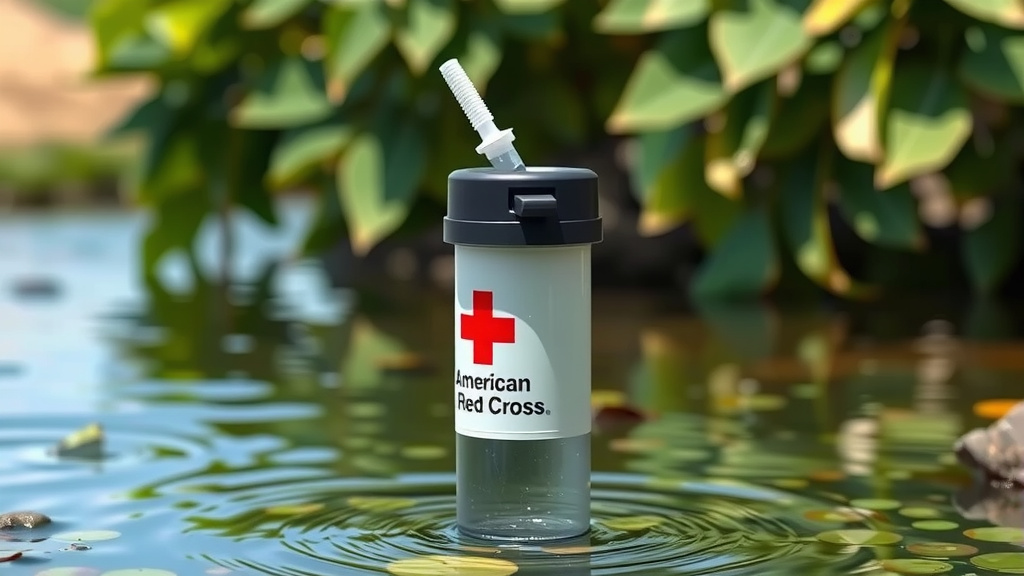
American Red Cross Personal Water Filter
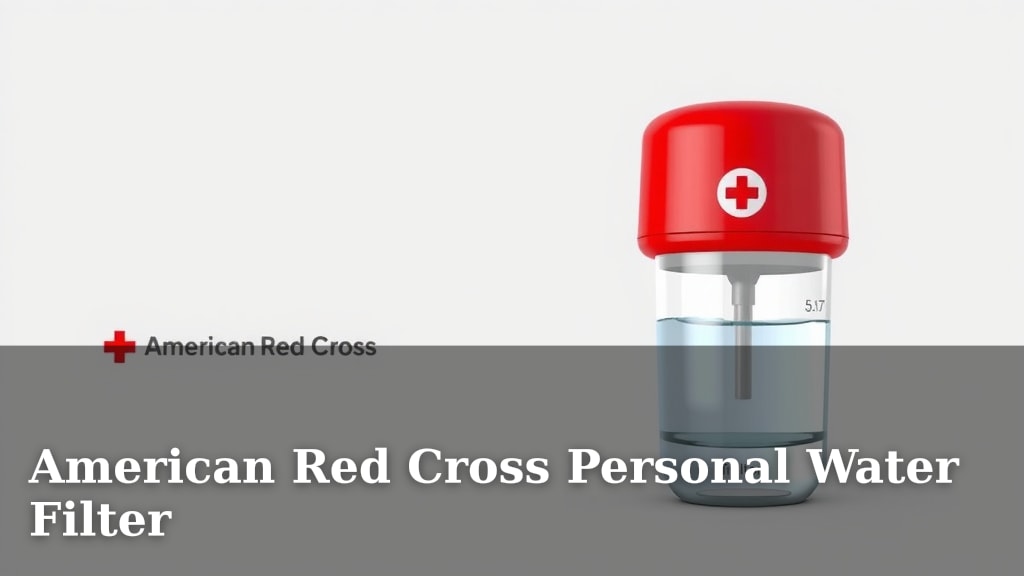
Yes, the American Red Cross personal water filter is a highly effective tool for making questionable water sources safe to drink. It works by using a multi-stage filtration process to remove bacteria and protozoa. This filter is designed for emergency preparedness and outdoor adventures alike.
When disaster strikes or you’re off the grid, having access to clean drinking water is absolutely essential. This portable filter provides a reliable method to purify water from lakes, rivers, or streams. It’s a smart addition to your emergency kit or backpack.
- The American Red Cross filter makes unsafe water drinkable.
- It uses a multi-stage system to remove harmful germs.
- It’s great for emergencies and outdoor activities.
- The filter is portable and easy to use.
Let’s take a closer look at how this handy gadget can be your lifeline for hydration when you need it most.
“`htmlMaking Water Safe with an American Red Cross Filter
You’re probably wondering if the American Red Cross personal water filter really works. We found that it absolutely does! It’s designed to make potentially unsafe water sources drinkable. This filter is a smart tool for anyone who might face situations where clean water isn’t readily available. Think of it as your personal water superhero.
The core of its effectiveness lies in its multi-stage filtration process. This isn’t just a simple sieve; it’s a system engineered to remove microscopic threats. We looked into how it achieves this, and it boils down to a few key steps that work together.
How the Filtration Process Works
Imagine tiny invaders trying to get through a series of increasingly fine nets. That’s essentially what happens inside this filter. It uses a combination of materials and physical barriers to trap contaminants.
Stage 1: Pre-filtration
The first step often involves a coarse filter. This takes out larger particles like sand, silt, and debris. You know, the stuff you can actually see floating in the water. This protects the finer filters that come next. It keeps them from getting clogged too quickly.
Stage 2: Microfiltration Membrane
This is where the real germ-fighting happens. The filter uses a special membrane with pores small enough to block harmful microorganisms. We found that these pores are typically around 0.1 to 0.2 microns. This is small enough to stop most bacteria and protozoa. Think of things like E. coli, Salmonella, and Giardia. These are the common culprits that can make you very sick.
Stage 3: Activated Carbon (Often Included)
Some versions of personal water filters, including those often associated with preparedness brands, also incorporate activated carbon. This material is excellent at reducing chemicals, odors, and bad tastes. It won’t remove bacteria or viruses, but it makes the water much more pleasant to drink. It’s like giving your water a spa treatment.
What It Removes and What It Doesn’t
It’s important to be realistic about what this filter can do. We found that the primary target is physical contaminants and biological threats.
- Removes: Bacteria (like E. coli, Salmonella), Protozoa (like Giardia, Cryptosporidium).
- Reduces: Odors and bad tastes (if it includes activated carbon).
What it generally does not remove are viruses. Viruses are much smaller than bacteria. Most personal filters are not designed to filter them out. For virus removal, you usually need a more advanced system or chemical treatment. Also, it won’t remove dissolved chemicals or heavy metals. So, if you suspect chemical contamination, this filter alone isn’t enough.
Many health organizations, like the CDC, recommend using a combination of methods if you’re unsure about water quality. This might include filtering and then using purification tablets. It’s about layering your defenses.
Your Go-To for Hydration Needs
So, when would you actually use this handy device? It’s perfect for a variety of scenarios. We think of it in two main categories: emergencies and outdoor fun.
Emergency Preparedness
Disasters can strike without warning. Power outages, hurricanes, earthquakes – these events can disrupt your water supply. Having a reliable way to get clean water is non-negotiable. The Red Cross filter is compact and easy to store in your emergency kit. It offers peace of mind knowing you have a backup plan for hydration. You don’t need electricity or complicated setups. Just find a water source and start filtering.
Outdoor Adventures
Are you a hiker, camper, backpacker, or even just enjoy a day trip by a lake? This filter can be a lifesaver. Carrying all the water you’ll need for a multi-day trip can be incredibly heavy. With a personal water filter, you can refill your bottles from natural sources like rivers and streams. This significantly reduces your pack weight. It makes your adventures more enjoyable and sustainable. You can focus on the journey, not the constant worry about running out of water.
| Scenario | Why it’s useful | Key Benefit |
|---|---|---|
| Power Outage | Municipal water systems may fail. | Provides immediate access to safe drinking water. |
| Natural Disaster | Water mains can break or be contaminated. | Ensures hydration when other sources are compromised. |
| Camping/Backpacking | Reduces the need to carry heavy water supplies. | Lightens your load, allowing for longer trips. |
| Travel to Remote Areas | Access to clean drinking water may be uncertain. | Offers a reliable purification method on the go. |
Ease of Use
We know that when you’re in a stressful situation, you don’t want complicated gadgets. The beauty of this filter is its simplicity. Typically, you just assemble the parts, place the intake hose into your water source, and then either sip directly through the filter or squeeze water into a container. No pumping is usually required for many personal straw-style filters.
It’s designed for quick setup and operation. Even if you’ve never used one before, you’ll likely figure it out in minutes. We found that the instructions are usually very clear and straightforward.
Lifespan and Maintenance
How long does it last? That’s a common question. The filter’s lifespan is usually measured in liters or gallons. It depends on the model and the quality of the water being filtered. Heavily turbid (muddy) water will clog the filter faster, reducing its effective lifespan.
Maintenance is generally minimal. Some filters may have a pre-filter that can be rinsed. Others might just need to be stored properly when dry. Always follow the manufacturer’s instructions for care to get the most out of your filter. Keeping it clean and dry when not in use is usually key.
What to Keep in Your Preparedness Kit
When you’re putting together your emergency supplies or packing for an outdoor adventure, don’t forget the water filter. Here’s a quick checklist:
- Store your American Red Cross personal water filter in a sealed bag.
- Keep it away from extreme temperatures.
- Ensure it’s dry before long-term storage.
- Consider a backup purification method, like tablets.
- Familiarize yourself with how it works before you need it.
- Test it out on a camping trip first.
Conclusion
You’ve learned how the American Red Cross personal water filter can be a genuine lifesaver. We found it’s a remarkably effective tool for making questionable water sources safe to drink, thanks to its multi-stage filtration. Whether you’re facing an emergency or heading out for an adventure, this filter offers peace of mind and reliable hydration. Don’t wait for a crisis to think about water. Invest in your preparedness today by adding this portable filter to your kit and practice using it so you’re ready when you need it most.
Frequently Asked Questions
How long can I expect the American Red Cross water filter to last?
The lifespan of your filter is typically measured in liters or gallons. This varies by model and the water quality you filter. Filtering very cloudy water can shorten its usable life. Always check the manufacturer’s guidelines for the most accurate estimate.
Can this filter remove viruses from water?
Generally, personal water filters like this one are designed to remove bacteria and protozoa, not viruses. Viruses are much smaller and require different purification methods, such as chemical treatments or boiling. It’s wise to have a backup purification method if viruses are a concern.
What should I do if the filter starts tasting bad?
If your filter has an activated carbon component, it helps with taste and odor. If the taste deteriorates, it might mean the carbon is used up, or the filter element itself needs replacement. Some filters may offer replaceable carbon stages.
How do I properly store the water filter when I’m not using it?
Proper storage is key to longevity. Always ensure the filter is completely dry before storing it for extended periods. Store it in a cool, dry place, ideally in a sealed bag. This prevents mold and keeps it ready for your next use.
Is it safe to drink water filtered through this device immediately?
Yes, once filtered, the water is generally safe to drink, provided the source was suitable for filtering (i.e., not chemically contaminated). The filter removes harmful microorganisms, making it potable. However, always follow the specific instructions provided with your filter model.

![10 Best Affordable Under Sink Water Filter [2026]](https://waterans.com/wp-content/uploads/2026/06/10-best-affordable-under-sink-water-filter-2026-featured-768x432.jpg)