2 Stage Water Filtration Systems Explained
A two-stage water filtration system uses two different filters working together. This process removes a wider range of contaminants than single-stage filters. It’s a smart way to get cleaner water for your home. You get better water quality with this setup. The two stages target different types of impurities.
Many homes are now looking for ways to improve their drinking water. A two-stage system often tackles both sediment and chemical impurities. We found that this dual approach leads to significantly purer water. It’s a popular choice for those concerned about their tap water quality.
- It uses two filters for better cleaning.
- Removes more types of unwanted stuff.
- Helps make your water taste and smell better.
- A good step for improving home water.
Ready to learn more about how these systems work and what they can do for your water? Let’s dive into the details of two-stage filtration and what makes it so effective for your home.
Understanding How Two-Stage Water Filters Work
A two-stage water filtration system is like giving your water two chances to get clean. It uses two different types of filters, one after another. This staged approach tackles a broader spectrum of impurities than a single filter can. We found that this dual defense makes a real difference in water purity.
The First Stage: Tackling Larger Particles
The first filter in a two-stage system is usually designed to catch the bigger stuff. Think of it as the initial bouncer at the club door. It removes larger particles like sediment, sand, rust, and dirt. These particles might not be directly harmful, but they can affect the taste and appearance of your water. They can also clog up the second, more sensitive filter faster. Common first-stage filters include sediment filters made from spun polypropylene or pleated materials.
Sediment Filters Explained
Sediment filters come in various micron ratings. A lower micron rating means the filter can catch smaller particles. For example, a 5-micron filter is more effective at removing fine sediment than a 20-micron filter. We found that choosing the right micron rating for your specific water conditions is key. If your water has visible grit, you might need a lower micron rating for the first stage. This protects the second filter and ensures cleaner water.
The Second Stage: Refining Your Water
After the water passes through the sediment filter, it moves to the second stage. This filter is typically designed to remove finer contaminants. It often targets dissolved impurities, chemicals, and substances that affect taste and odor. This stage is where you really get that clean, refreshing water you’re looking for. The type of second-stage filter varies depending on what you want to remove.
Common Second-Stage Filter Types
The most common second-stage filter is an activated carbon filter. Carbon has a porous surface that adsorbs (which is like trapping) many impurities. This includes chlorine, volatile organic compounds (VOCs), and pesticides. Many experts say activated carbon is excellent for improving water’s taste and smell (EPA). Another option, especially if you’re concerned about specific dissolved solids, is an ion exchange resin filter. Some advanced systems might even use a special membrane for a third level of fine filtration, though that’s moving beyond a true two-stage setup.
How the Stages Work Together
The magic of a two-stage system lies in its synergistic effect. The first filter does the heavy lifting by removing larger debris. This prevents the second filter from becoming overwhelmed too quickly. The second filter can then focus on the smaller, dissolved impurities. This division of labor makes both filters last longer and work more effectively. We found that this process leads to a consistently higher quality of purified water.
Benefits of Using a Two-Stage Filtration System
So, why choose a two-stage system over a simpler one? The benefits are clear for your household. You’re investing in healthier, better-tasting water for your family. We found that this improved water quality can impact daily life in many positive ways.
Improved Taste and Odor
Have you ever noticed a chemical smell or an off-putting taste in your tap water? Chlorine is often the culprit, used by municipalities to disinfect water. The activated carbon in the second stage is highly effective at removing chlorine. This results in water that tastes and smells much fresher. It makes drinking water more enjoyable, encouraging better hydration. Many users report a dramatic improvement they notice immediately.
Removal of a Wider Range of Contaminants
A single-stage filter might target one type of impurity. A two-stage system, however, addresses multiple issues. It tackles both physical particles and chemical contaminants. This comprehensive approach offers greater peace of mind. You’re getting cleaner water free from a broader array of unwanted substances. Research suggests that combining different filtration methods is key to effective water purification (National Academies of Sciences, Engineering, and Medicine).
Extended Filter Lifespan
Because the first stage removes larger particles, it protects the second stage. The second filter doesn’t get clogged with sediment as quickly. This means you won’t have to replace the filters as often. While you’ll still need to perform regular maintenance, you’ll likely save money and hassle in the long run. We found that this extended life is a significant advantage for many homeowners.
Key Features to Look For
When you’re shopping for a two-stage water filter, keep a few things in mind. Not all systems are created equal. Understanding these features will help you make the best choice for your home and your water.
Micron Rating of the Sediment Filter
As we discussed, the micron rating on the first stage is important. For general use, a 5-micron sediment filter is often a good starting point. If you have very turbid water, you might consider starting with a 10-micron filter and then a 5-micron filter, or even a dedicated pre-filter for very heavy sediment. We found that understanding your water source is the first step.
Type of Carbon Filter
For the second stage, look for activated carbon. There are different types, like Granular Activated Carbon (GAC) and Carbon Block. Carbon block filters are generally more effective because they offer more uniform filtration and remove finer particles. They also tend to have less channeling, meaning water is forced through the carbon more evenly. Many experts recommend carbon block for its superior performance.
Flow Rate and Water Pressure
Consider the flow rate of the system. A higher flow rate means water comes out faster from your tap. However, a very high flow rate might mean the water doesn’t spend enough time in contact with the filters. This can reduce filtration effectiveness. Check the manufacturer’s specifications. They’ll tell you the recommended water pressure range and the typical flow rate. You want a balance between speed and thorough cleaning.
Is a Two-Stage System Right for You?
You might be wondering if this type of system is the best fit for your needs. We’ve laid out how they work and the benefits. Now, let’s help you decide.
When a Two-Stage Filter Shines
A two-stage system is an excellent choice if:
- Your tap water has visible sediment or cloudiness.
- You notice unpleasant chlorine smells or tastes.
- You want to remove a wider range of contaminants than a single filter provides.
- You are looking for improved water quality for drinking and cooking.
- You want a system that is relatively easy to maintain.
- You’re looking for a good balance between performance and cost.
What to Check Before You Buy
Before you commit, we recommend taking a couple of simple steps:
- Test your water: Get a water quality report for your area or use a home testing kit. This tells you what’s actually in your water.
- Identify your priorities: Are you most concerned about taste, specific chemicals, or general purity?
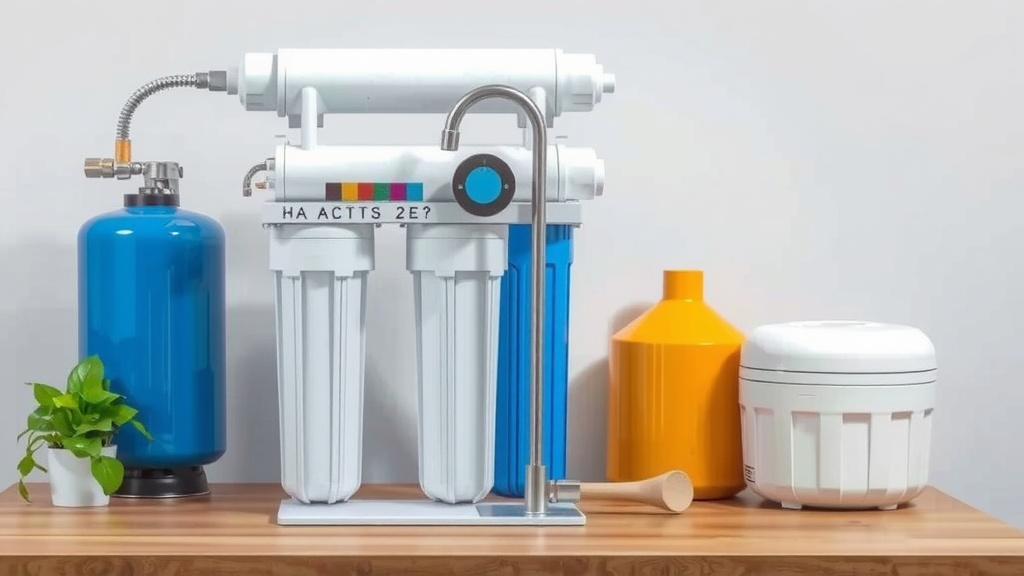
- Consider your installation needs: Many two-stage systems are designed for under-sink installation, while others can be whole-house.
- Look at replacement filter costs: Factor this into your long-term budget.
Conclusion
You’ve learned how a two-stage water filtration system offers a smart upgrade for your home’s water. By using two distinct filters, it effectively tackles both larger particles and finer dissolved contaminants. This dual approach ensures your water tastes better and is purer. You can enjoy peace of mind knowing you’re drinking cleaner water. Ready to take the next step? Consider testing your water to pinpoint your needs, then research systems that match those findings for a truly tailored solution.
Frequently Asked Questions
How often do I need to replace filters in a two-stage system?
Filter replacement frequency depends on your water usage and quality. Typically, the first-stage sediment filter might last 6-12 months. The second-stage activated carbon filter often lasts 6-12 months as well, but this can vary. Always check your manufacturer’s recommendations for specific timelines.
Can a two-stage system remove heavy metals like lead?
A standard two-stage system with sediment and activated carbon filters is usually not designed to remove heavy metals like lead. For lead removal, you would typically need a system with specialized filtration media, like an ion exchange resin or a reverse osmosis stage. Check the product specifications carefully for metal reduction claims.
What’s the difference between activated carbon and a carbon block filter?
Activated carbon is the material that adsorbs impurities. Granular Activated Carbon (GAC) uses loose granules. A carbon block filter is made from powdered activated carbon that’s compressed into a solid block. Carbon block filters generally offer more uniform filtration and better removal of finer particles compared to GAC.
Will a two-stage filter reduce my water pressure?
Yes, any filtration system can slightly reduce water pressure. The first stage, removing sediment, might cause a minor drop. The second stage, with its finer filtration, can also impact flow. Choosing a system with an appropriate flow rate for your needs will help minimize this effect.
Can I use a two-stage system for my entire house?
Yes, two-stage systems are available for both under-sink applications and whole-house installations. Whole-house systems connect to your main water line, providing filtered water to all your taps and appliances. Ensure the system you choose is sized correctly for your home’s water flow demands.